
A Homeowner's Guide to HVAC Services
Maintaining a comfortable, healthy, and welcoming living environment requires an efficient residential heating and cooling setup. Throughout the year, extreme weather conditions place substantial demands on interior climate machinery, making consistent performance essential for every household. When equipment functions properly, conditioned air circulates evenly, humidity remains balanced, and indoor temperatures stay pleasant regardless of severe weather outside. However, many homeowners overlook the complex mechanical networks operating behind walls and beneath floors until unexpected malfunctions disrupt daily life. Investing in comprehensive HVAC services provides the regular oversight, expert adjustments, and dependable repairs necessary to keep every mechanical component operating at peak capability.
A residential climate system is composed of many interdependent elements, including air handlers, compressors, furnaces, heat pumps, ductwork networks, and digital thermostats. When an individual element struggles with wear or blockage, the surrounding components must work harder to compensate, leading to uneven temperatures, increased strain, and premature mechanical wear. Engaging skilled technicians for scheduled HVAC services ensures that subtle mechanical problems are caught early before minor complications escalate into major breakdowns. Understanding what comprehensive care involves allows homeowners to make informed decisions about household upkeep, personal comfort, and long-term interior safety.
Understanding the Scope of Heating and Cooling Maintenance
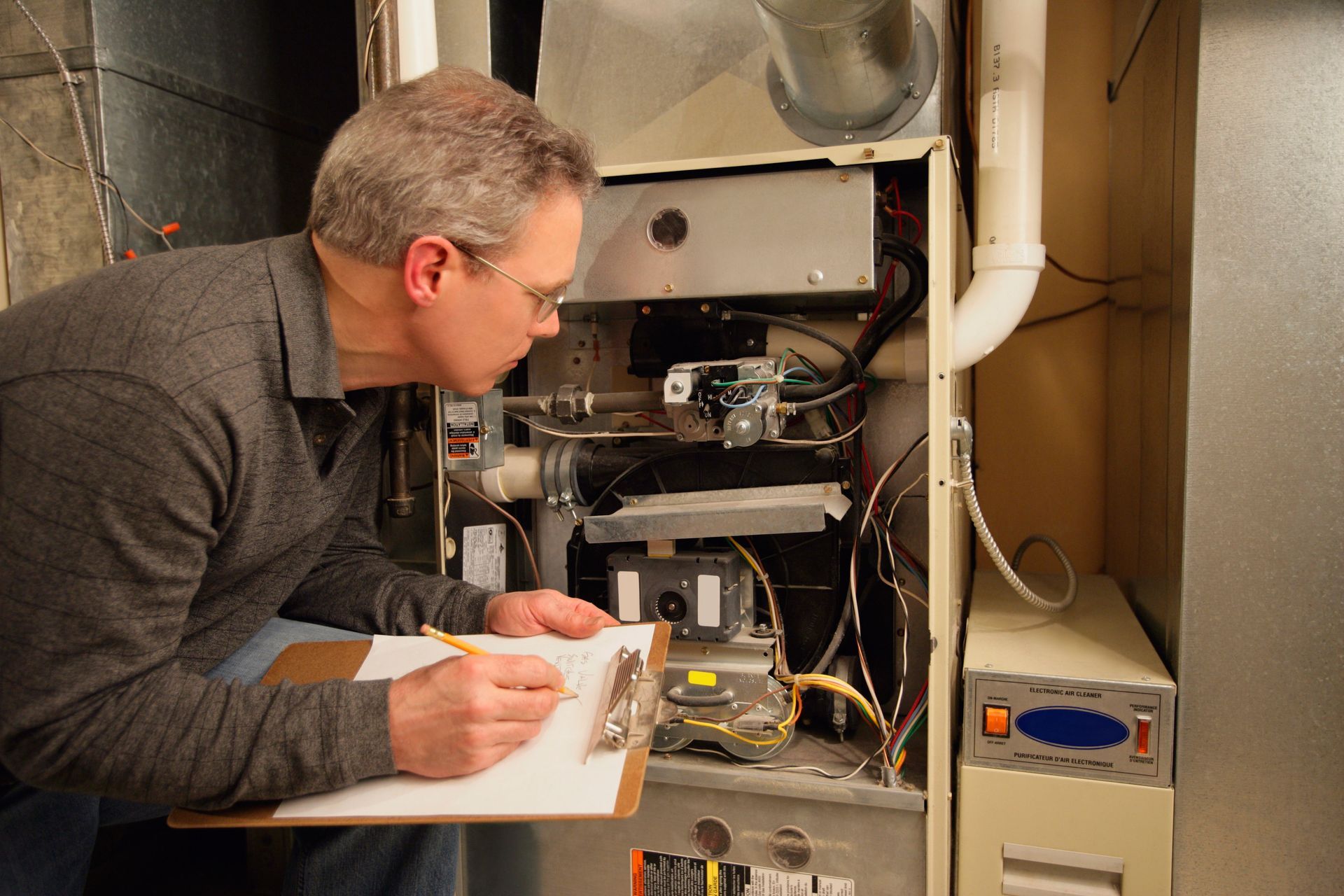
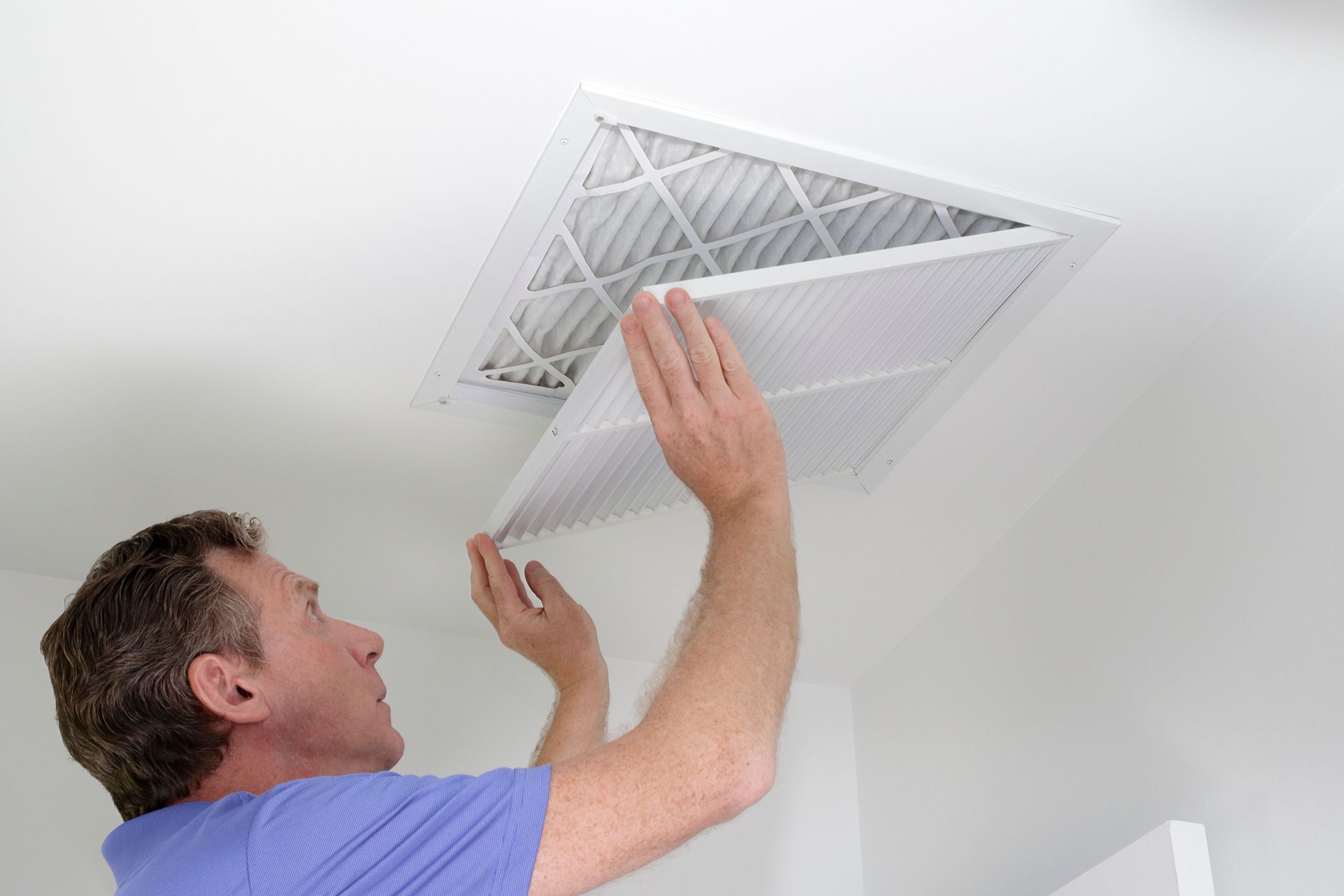
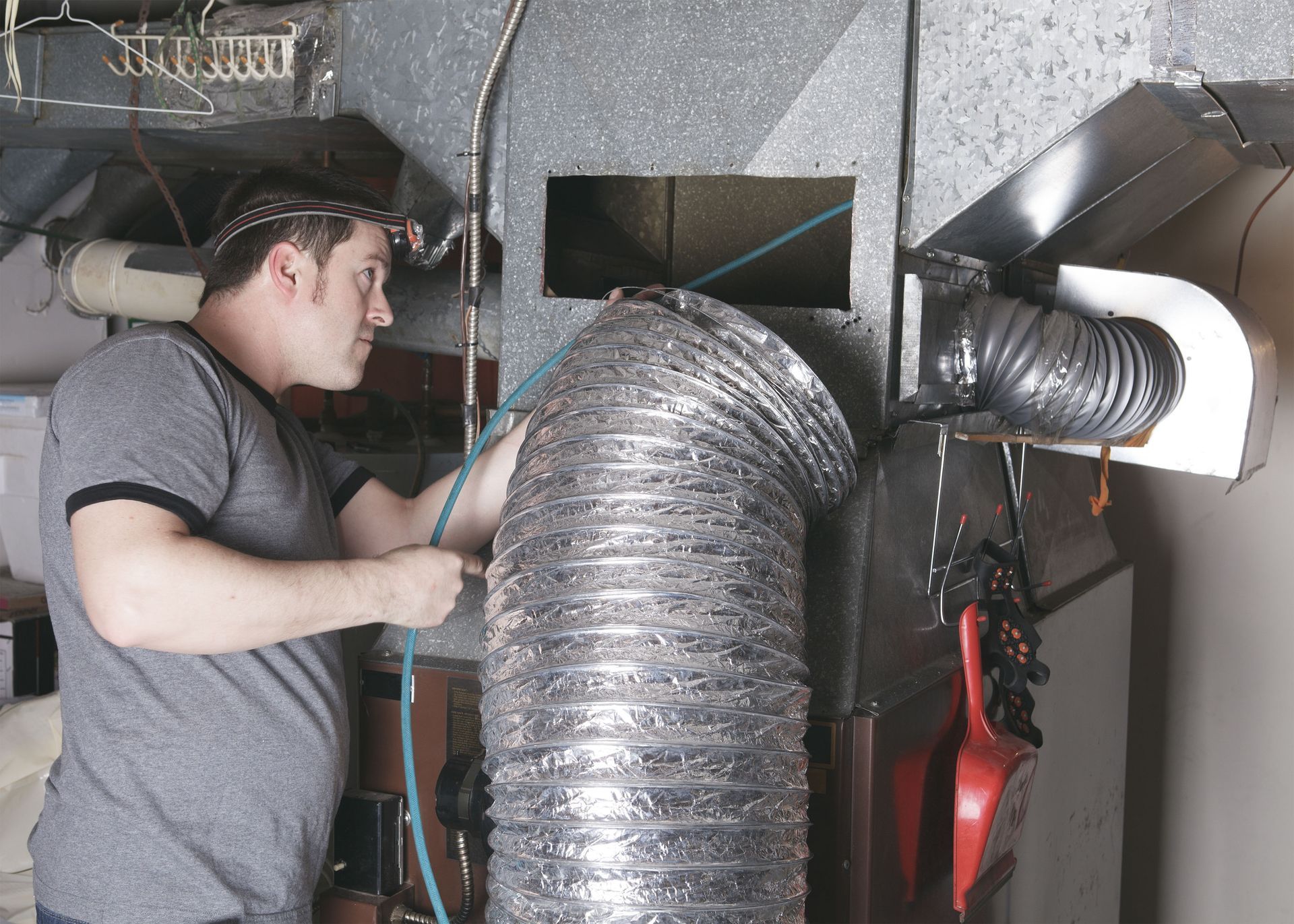
Routine inspection and precision tuning form the absolute foundation of dependable indoor climate control. During an inspection visit, certified technicians examine electrical wiring, measure motor currents, lubricate moving parts, and evaluate safety controls. They also inspect heat exchangers, flush condensate drain lines, check airflow balance, and assess the overall condition of air filters. Over months of steady operation, airborne particles and household dust accumulate on delicate interior mechanisms, restricting airflow and insulating heat transfer coils. Thorough cleaning restores proper heat absorption and release, protecting the machinery from unnecessary operational strain.
Scheduling comprehensive HVAC services before peak summer heat waves and freezing winter storms ensures that heating and cooling units are fully prepared for heavy workloads. Technicians test refrigerant levels, check thermostat calibration, clean burner assemblies, and examine duct joints for structural leaks that let conditioned air escape into unconditioned crawlspaces or attics. These detailed examinations prevent unexpected equipment failures during harsh seasonal transitions, giving families peace of mind, reliable climate performance, and steady temperature control throughout every living area.
Recognizing Warning Signs That Require Professional Attention
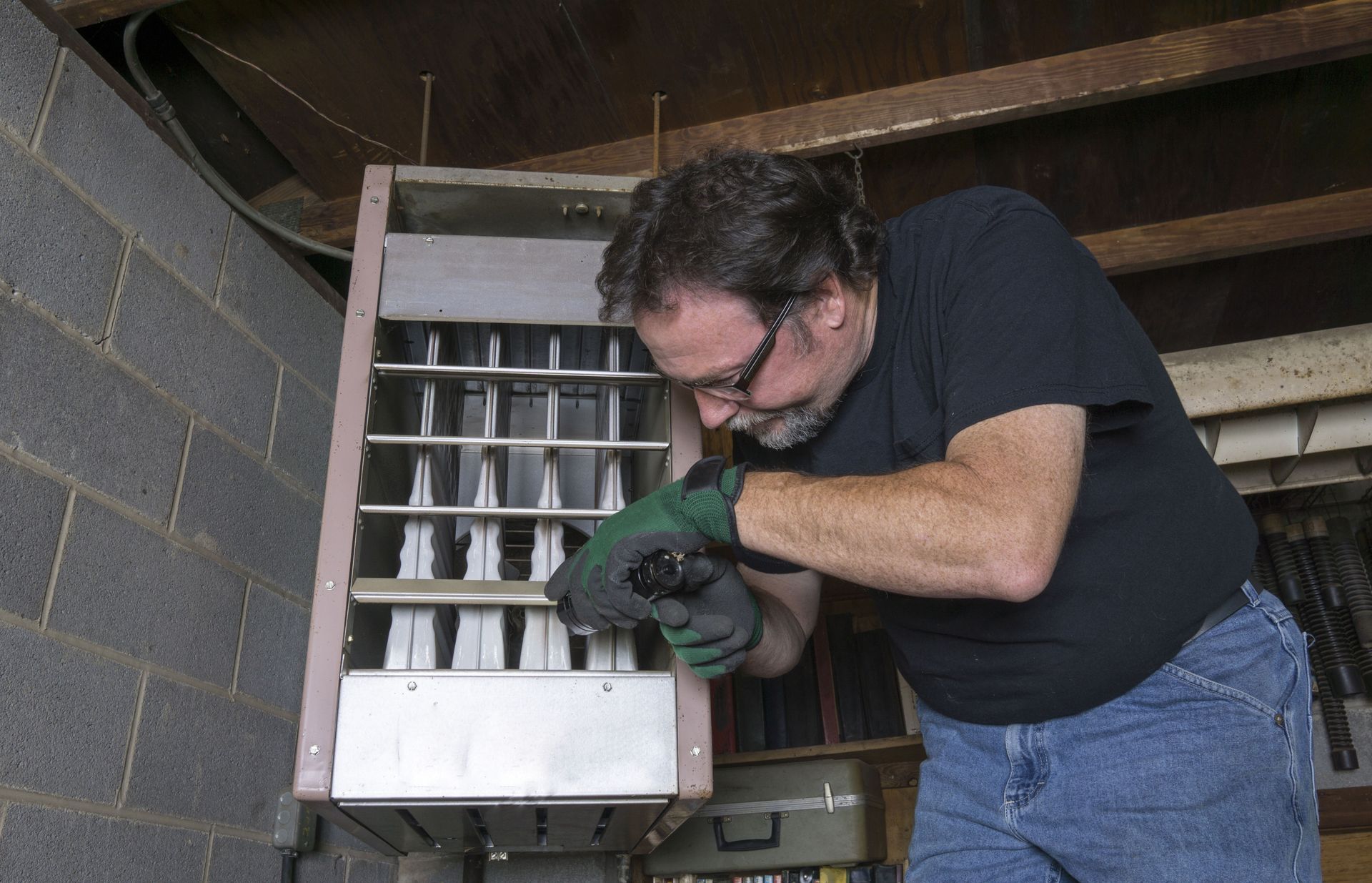
Heating and cooling equipment often exhibits clear warning signs long before an outright system failure occurs. Unusual sounds, such as rattling, buzzing, squealing, or grinding, indicate that internal parts have become loose, worn, or poorly aligned. Lingering odors, including musty smells near supply vents or burning aromas during heating cycles, can signal mold accumulation inside damp ductwork or electrical wiring issues. Homeowners who monitor these minor performance shifts can address developing hazards before equipment stops functioning entirely.
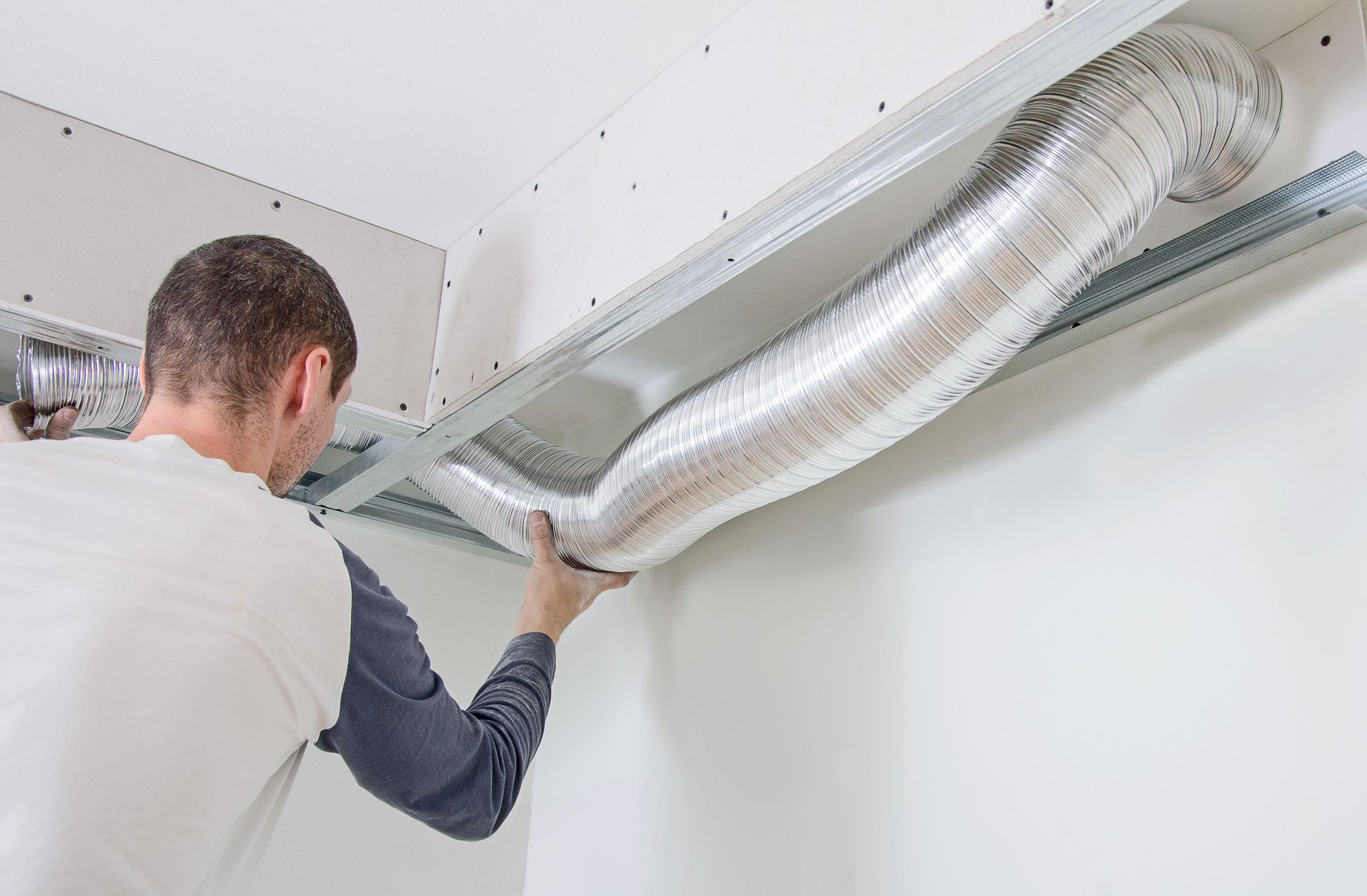
Uneven airflow and hot or cold spots in different rooms also indicate that the air distribution network requires attention. If certain areas feel stuffy while adjacent rooms remain chilly, blocked ductwork, leaking connections, or failing blower fans may be responsible. Scheduling professional HVAC services allows qualified specialists to diagnose the root cause of temperature fluctuations rather than merely treating visible symptoms. Swift troubleshooting prevents minor mechanical imbalances from causing extensive structural damage to delicate system components. In addition to audible changes, noticing persistent temperature drops during winter or weak airflow during summer indicates that moving components are experiencing heavy resistance.
Improving Indoor Air Quality Throughout the Seasons
Modern residential construction emphasizes tight insulation and airtight building envelopes to minimize outdoor drafts. While this construction style effectively preserves indoor temperatures, it can inadvertently trap airborne particulates, pet dander, pollen, mold spores, and household dust inside living spaces. Without adequate filtration and proper ventilation, recirculated indoor air can become stale, aggravating seasonal allergies and respiratory sensitivities among family members.
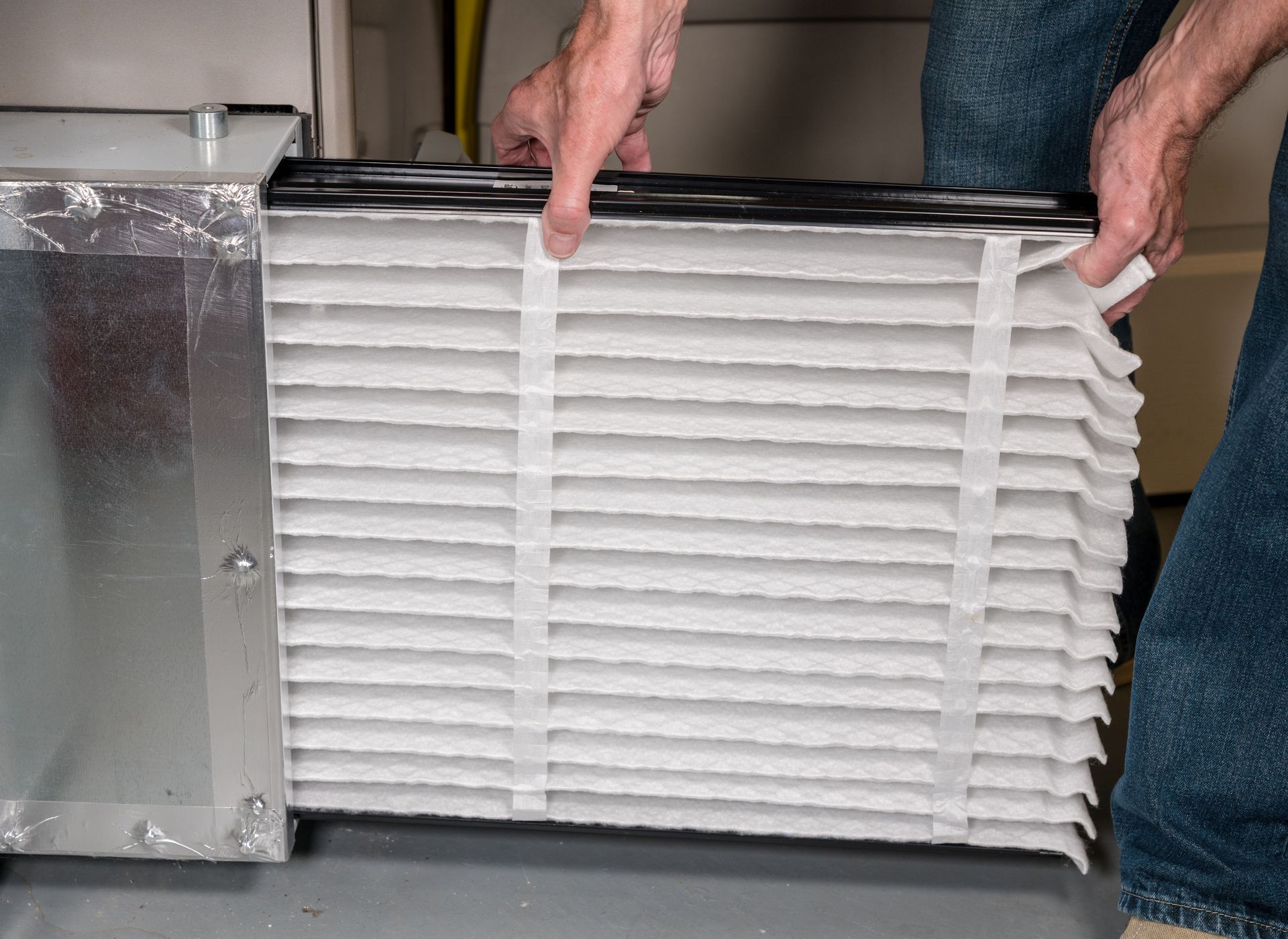
Upgrading to advanced filtration media, installing whole-home dehumidifiers, and incorporating ultraviolet air purifiers dramatically enhances the breathability of your indoor environment. As part of regular HVAC services, technicians evaluate duct cleanliness, replace saturated filters, and recommend balanced ventilation solutions that exchange stale interior air for fresh, filtered outside air. Clean airflow creates a refreshing atmosphere, protects sensitive mechanical components from dust accumulation, and helps create a healthier, more pleasant living space for everyone under your roof.
Optimizing Home Energy Efficiency with Modern Equipment
Residential climate control represents the largest portion of domestic power consumption, making equipment performance a central concern for eco-conscious homeowners. Older units often operate inefficiently due to dated technology, declining component integrity, and persistent duct leakage. Modern advancements in variable-speed blowers, dual-stage compressors, and smart thermostats have transformed the way residential equipment uses power to manage indoor temperatures smoothly and reliably.
According to ACHR News, upgrading to more energy-efficient heating and cooling setups is vital because residential climate equipment represents approximately 50% of household energy consumption across the country. By replacing aging equipment with high-efficiency installations or optimizing existing systems through routine calibration, homeowners can dramatically reduce their power footprint while enjoying superior indoor temperature stability. Skilled specialists ensure that modern equipment is sized correctly for your floor plan, maximizing thermal performance and reducing unnecessary environmental impact.
Extending Equipment Longevity Through Routine Care
A residential climate system represents a major long-term asset for any property owner. Just like an automobile, an air conditioner, furnace, or heat pump requires regular checkups to maintain smooth mechanical operation and avoid premature replacement. Neglected equipment suffers from increased friction, dirty coils, and restricted airflow, forcing motors and compressors to operate under elevated stress that rapidly shortens their usable lifespan.
Relying on scheduled HVAC services preserves the integrity of vital machinery year after year. Professional cleaning, electrical testing, and friction reduction keep components running smoothly, allowing equipment to reach its full expected lifespan. Proactive care also helps preserve manufacturer warranties, which frequently require documented seasonal maintenance to remain valid. Taking proactive steps to maintain your climate setup protects your home comfort and ensures reliable operation through every changing season. Consistent care prevents heat pumps and furnaces from overworking during sudden weather spikes, keeping the overall mechanical infrastructure intact and operating smoothly.
Preparing Your System for Seasonal Weather Transitions
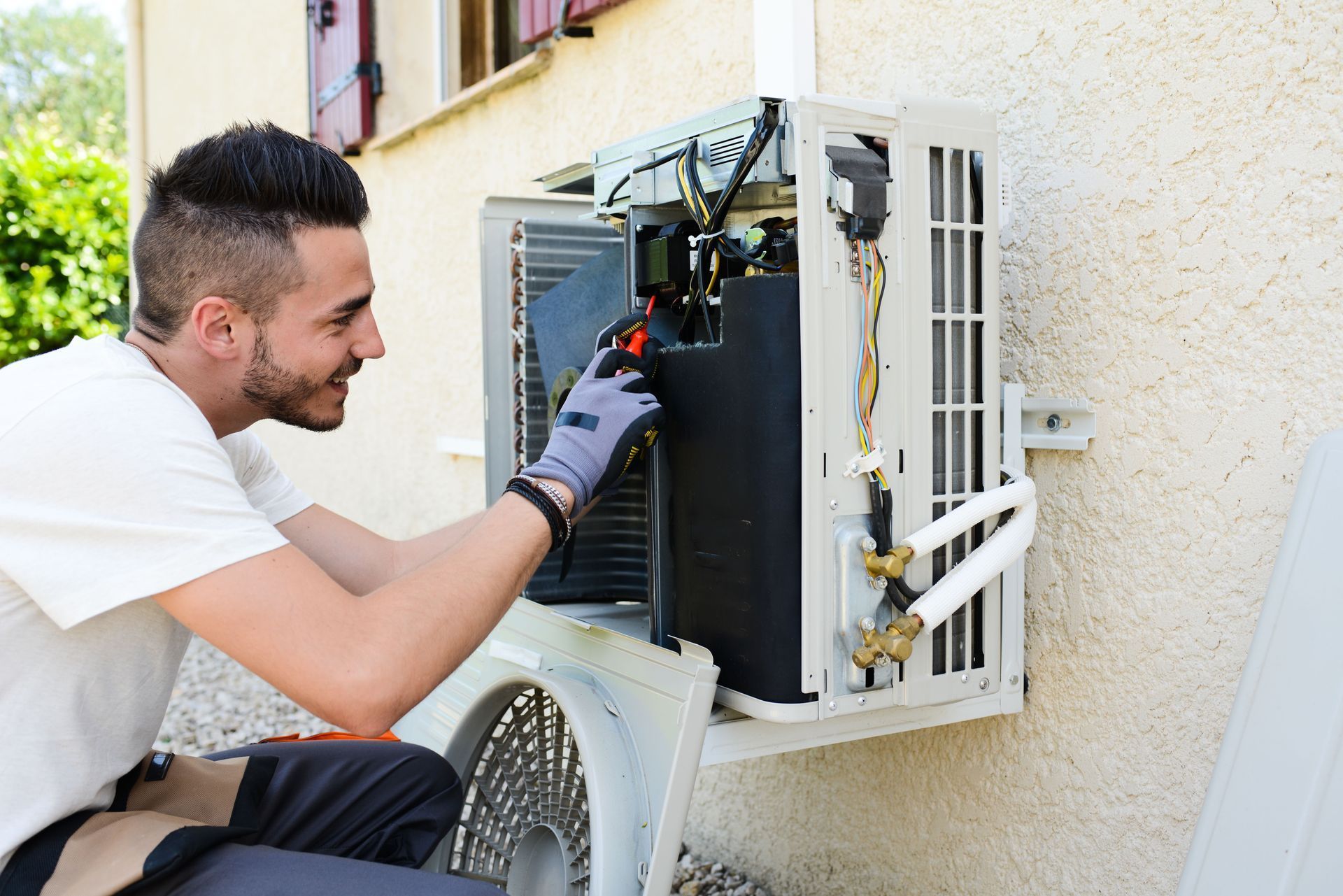
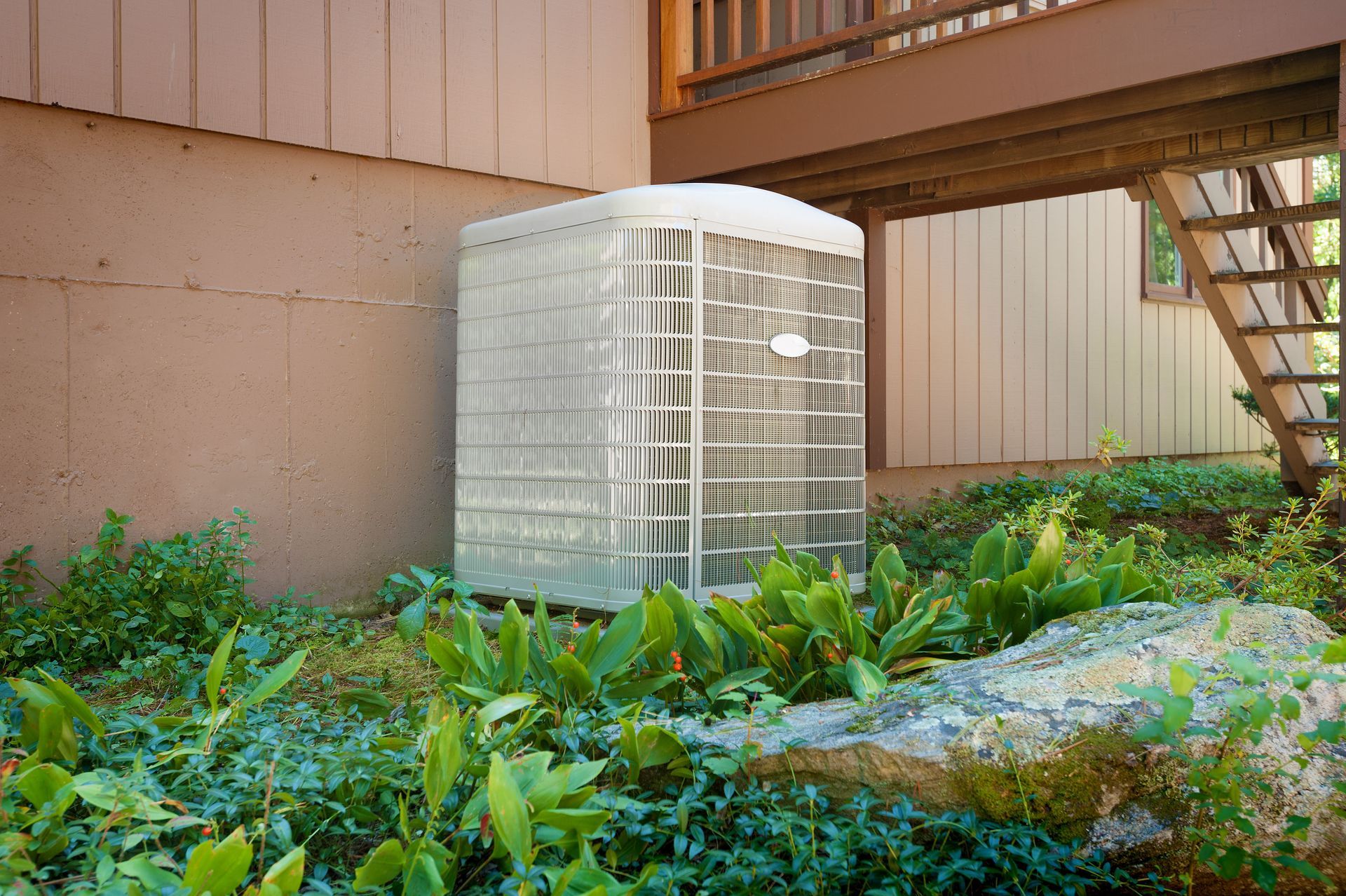
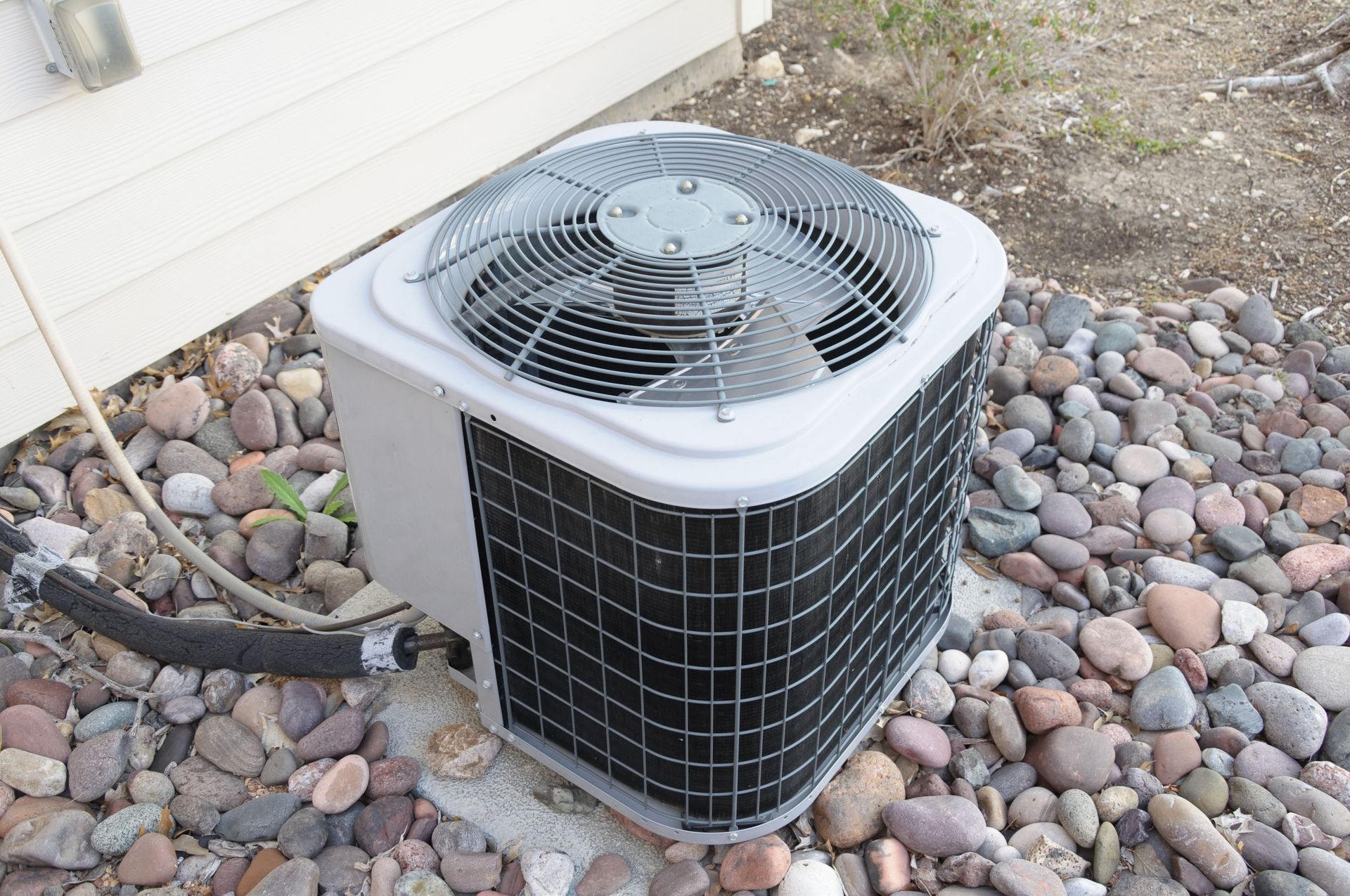
Every change of season brings distinct operational demands that challenge indoor climate machinery. Spring preparation focuses on clearing debris from outdoor condensing units, inspecting cooling coils, checking electrical contacts, and verifying that condensate drain lines are clear of blockages before summer humidity arrives. Autumn preparation involves inspecting burners, testing ignition controls, and ensuring exhaust vents are completely unobstructed before freezing winter winds sweep across the area.
Professional technicians tailor their inspections to the specific requirements of the upcoming season. They check blower belt tension, verify safety shutoff mechanisms, inspect heat exchangers, and confirm that programmable thermostats are configured to optimize comfort. Utilizing dedicated HVAC services ahead of seasonal shifts guarantees that your home remains cozy during cold snaps and refreshingly cool during heatwaves, ensuring continuous comfort without stressful disruptions or emergency service calls.
Maintaining a dependable climate control system is essential for safeguarding your family's comfort, maintaining healthy indoor air quality, and preserving the long-term value of your home. From thorough seasonal checkups and precision tuning to prompt mechanical repairs and air filtration upgrades, professional attention keeps every heating and cooling element functioning seamlessly. Partnering with experienced professionals ensures that your household stays comfortable, relaxed, and protected through every summer heatwave and winter freeze.
If you are ready to enhance your home comfort and improve your system efficiency, contact us at Allstar Heating & Cooling LLC today. We will help you maintain a reliable, healthy, and perfectly balanced indoor environment throughout the entire year.
Share On: