

How to Prepare Your AC for Summer: Advice From an Air Conditioning Contractor
Summer places added demand on home cooling systems, especially when temperatures remain high for long stretches. Preparing an air conditioner before peak season can help homeowners identify developing concerns, support efficient operation, and reduce the likelihood of unexpected discomfort. Working with an experienced air conditioning contractor can also provide a clearer picture of whether a system is ready for heavier seasonal use or needs professional attention beforehand.
According to the U.S. Energy Information Administration, about 88% of homes in the United States use air conditioning equipment, which contributes to continued demand for qualified cooling professionals. Because so many households rely on these systems, seasonal preparation matters. Homeowners do not need to wait for a complete breakdown before having equipment evaluated. A professional inspection, attention to airflow, thermostat performance, outdoor components, and maintenance history can all help a cooling system enter summer in better condition.
Scheduling Professional Maintenance Early
Checking Overall System Condition
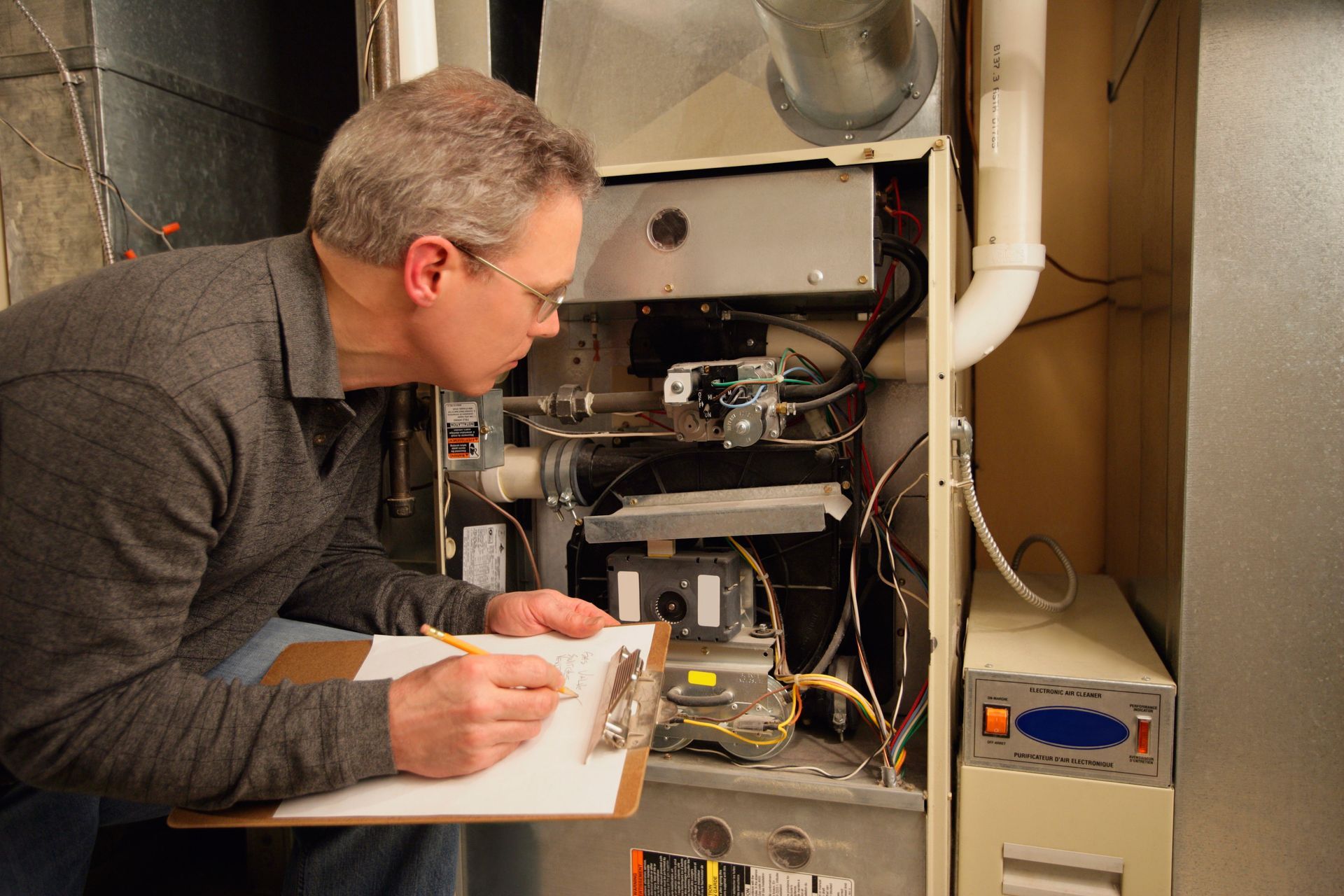
Professional maintenance provides an opportunity to evaluate the cooling system before it begins running more frequently. An air conditioning contractor can inspect major components, look for visible wear, and identify conditions that could affect performance. Early attention may make it easier to address concerns before hotter weather increases demand on the equipment.
Checking Electrical Components
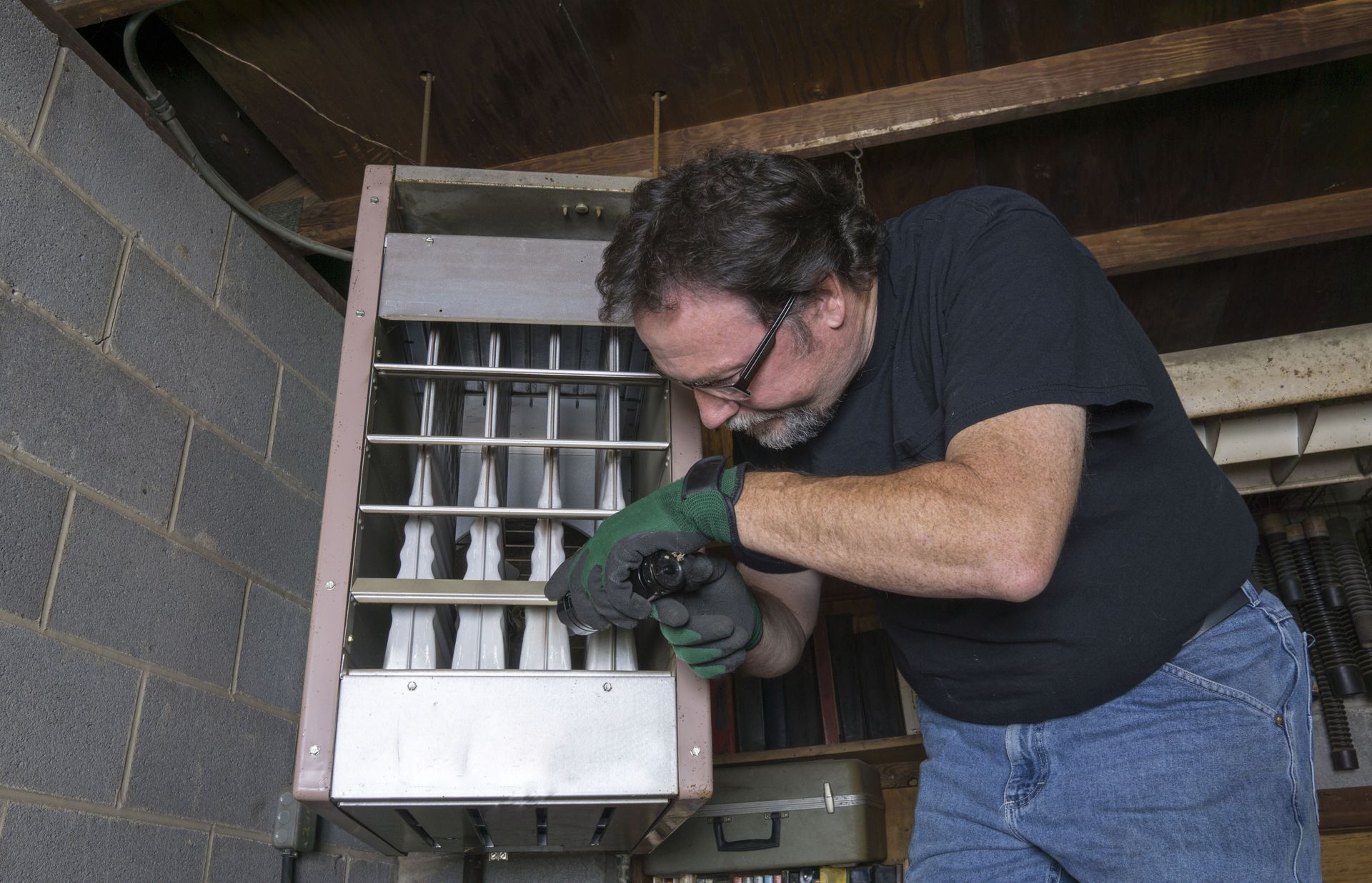
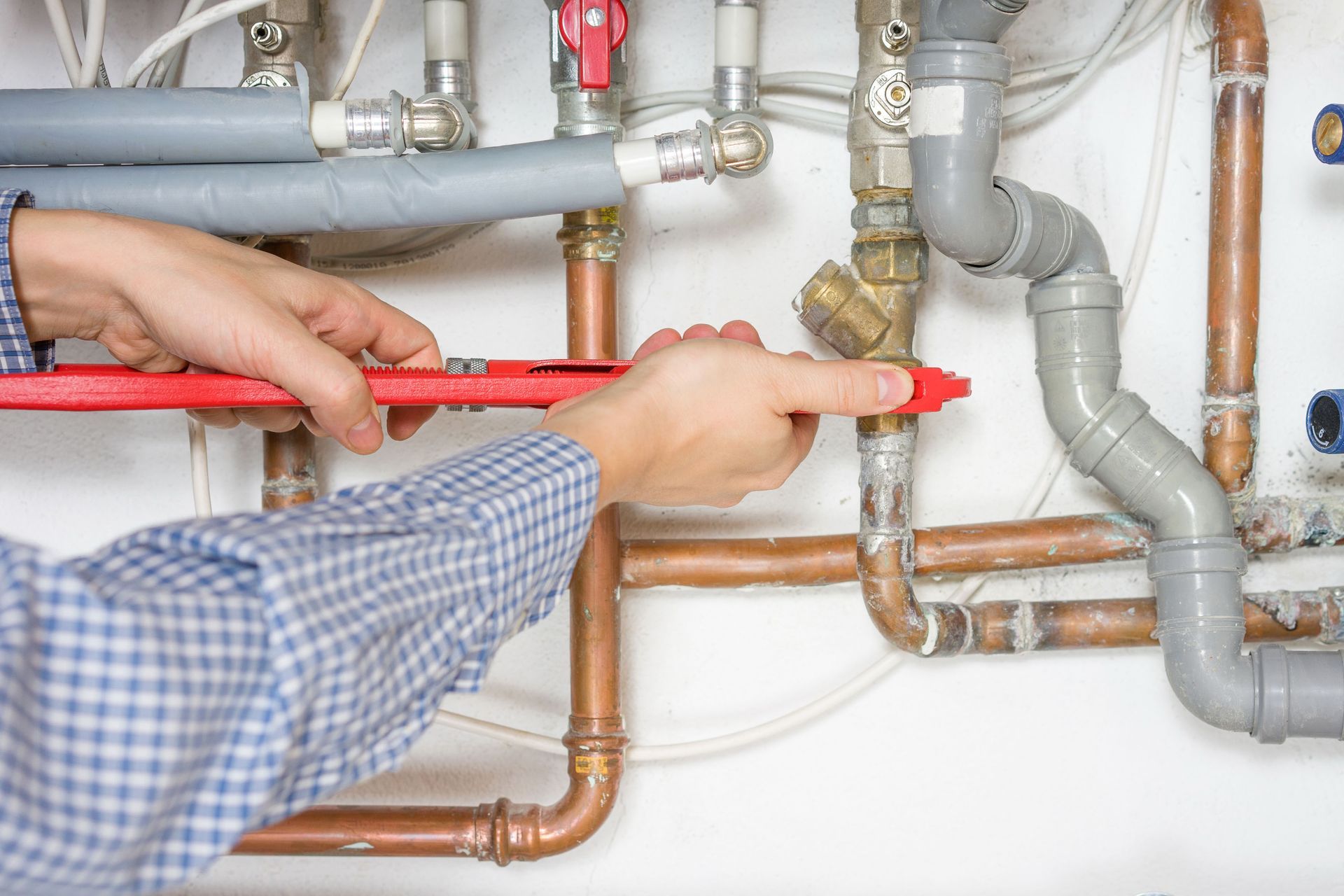
Air conditioning systems depend on electrical connections, controls, motors, and related components to operate properly. Professional service can include evaluating these areas for signs of wear or irregular performance. Electrical issues may not always be obvious to homeowners, making trained inspection especially valuable before the cooling season begins.
Checking Refrigerant Performance
Refrigerant plays an important role in the cooling process. If a system is not operating as expected, professional testing can help determine whether refrigerant-related concerns are contributing to the problem. Technicians can evaluate system performance and recommend appropriate service based on what they find.
Checking for Developing Problems
Minor concerns can become more disruptive once an air conditioner begins running for longer periods. Seasonal maintenance gives professionals a chance to spot unusual sounds, worn components, drainage issues, or performance changes. Identifying these conditions early can support more dependable summer operation.
Improving Airflow Before Peak Heat
Reviewing Filter Condition
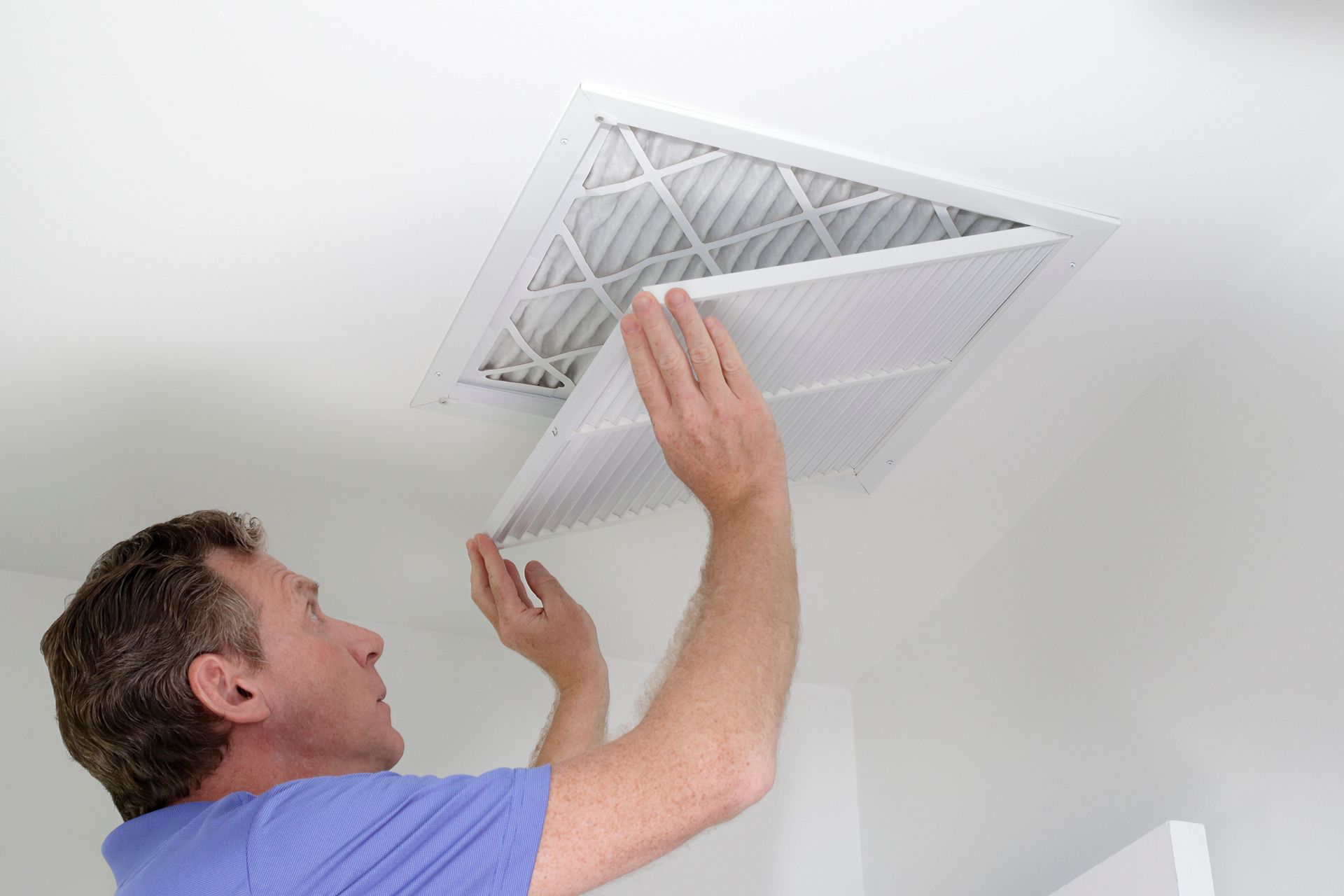
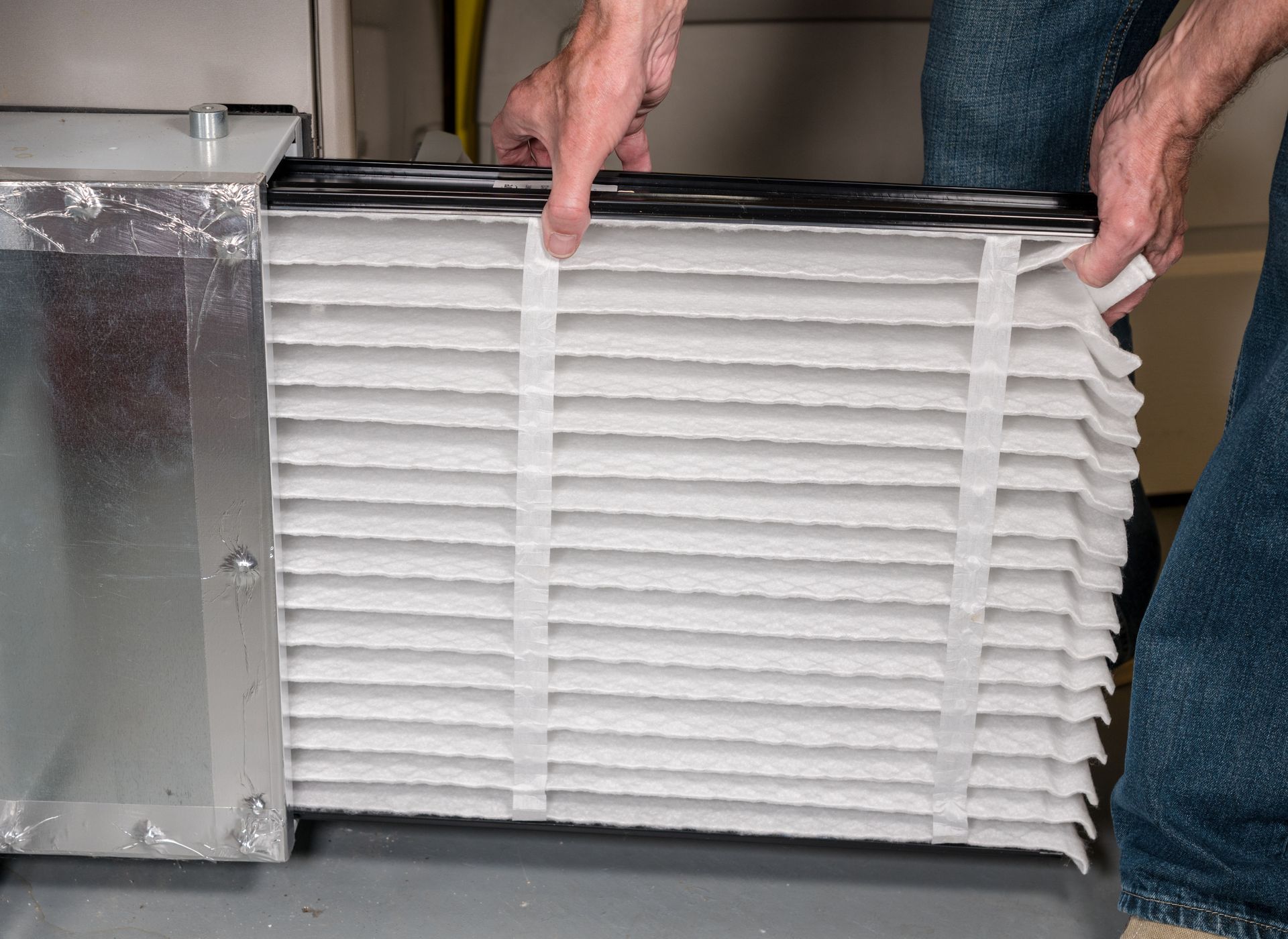
Airflow can be affected when filters become heavily loaded with dust and debris. Homeowners should be aware of filter condition and manufacturer recommendations, while professional service can help determine whether broader airflow concerns exist. An air conditioning contractor can also evaluate whether reduced airflow points to issues beyond the filter itself.
Reviewing Vent Performance
Uneven airflow from supply vents can indicate that a system is not distributing cooled air consistently. Some rooms may feel comfortable while others remain warmer. A professional evaluation can help determine whether the cause is related to ductwork, system balance, equipment performance, or another condition.
Reviewing Ductwork Concerns
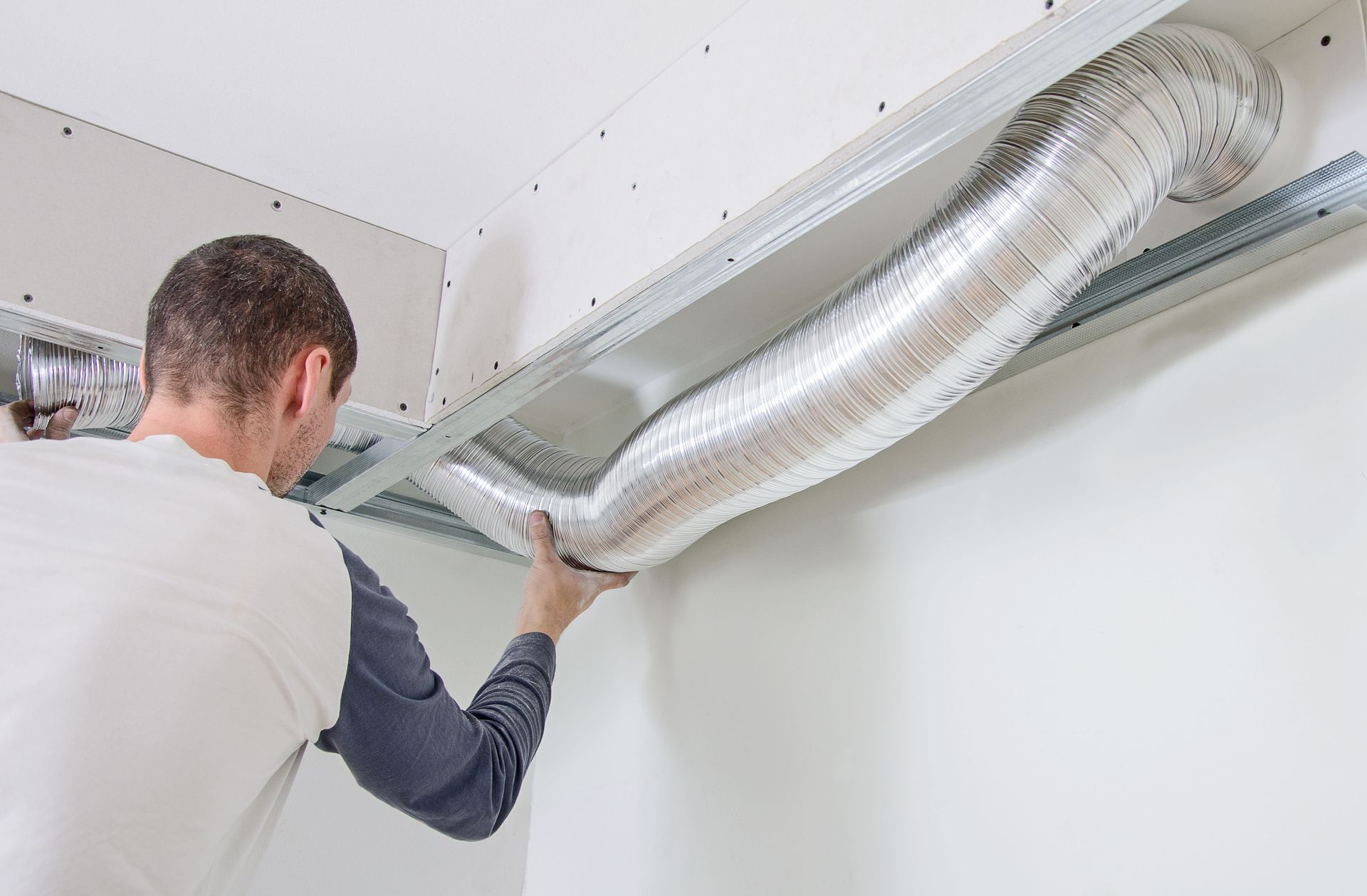
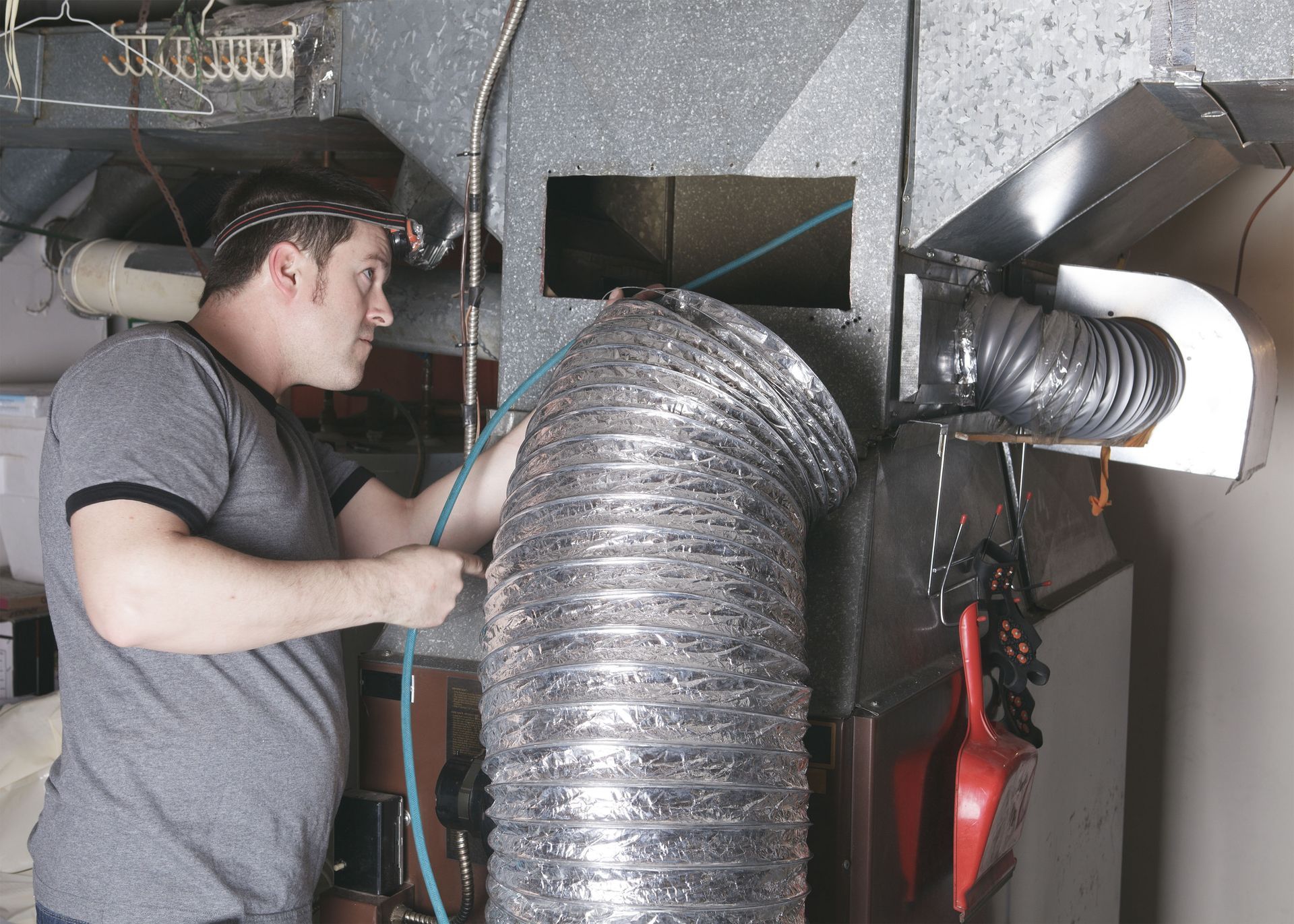
Ductwork helps move conditioned air throughout the home, so leaks, damage, or restrictions can influence cooling performance. Experienced technicians can inspect accessible areas and determine whether duct-related problems are contributing to comfort or efficiency concerns. This can be especially important in older homes or systems with recurring airflow issues.
Reviewing Indoor Comfort Patterns
Changes in comfort from room to room can provide useful clues about system performance. Homeowners who notice persistent hot spots or inconsistent temperatures should mention those patterns during a service visit. The information can help technicians focus their evaluation on areas that may need additional attention.
Testing Thermostat Performance
Confirming Temperature Accuracy
The thermostat serves as the control point for the cooling system, so accurate readings matter. If the displayed temperature does not reflect actual indoor conditions, the air conditioner may cycle inefficiently or fail to maintain comfort. An air conditioning contractor can determine whether the thermostat is communicating properly with the system.
Confirming Cooling Responses
When the thermostat calls for cooling, the system should respond consistently. Delayed starts, short cycles, or irregular operation can indicate problems that deserve professional evaluation. Testing system response before peak summer conditions can help reveal issues while there is still time to address them.
Confirming Programming Settings
Programmable and smart thermostats can support more consistent temperature management when settings match household schedules. Homeowners should review seasonal programming and make sure cooling schedules reflect current routines. If the thermostat behaves unexpectedly, professional service can determine whether the issue is related to settings, wiring, or equipment communication.
Confirming Equipment Compatibility
Not every thermostat works equally well with every HVAC system. If a home has recently added equipment or upgraded controls, compatibility can influence performance. A qualified technician can verify that the thermostat and cooling system are working together as intended.
Evaluating the Outdoor Unit
Inspecting Surrounding Conditions
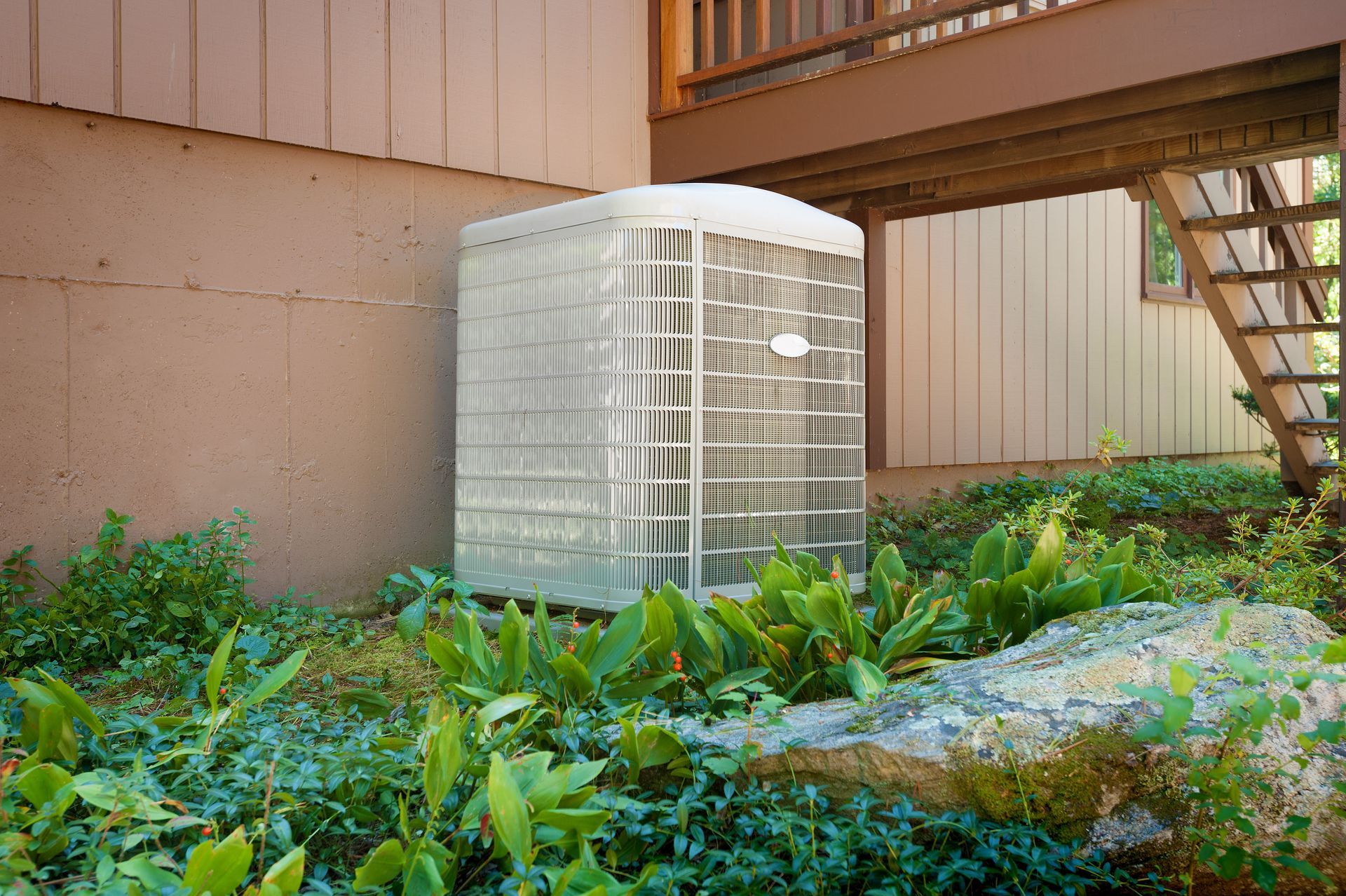
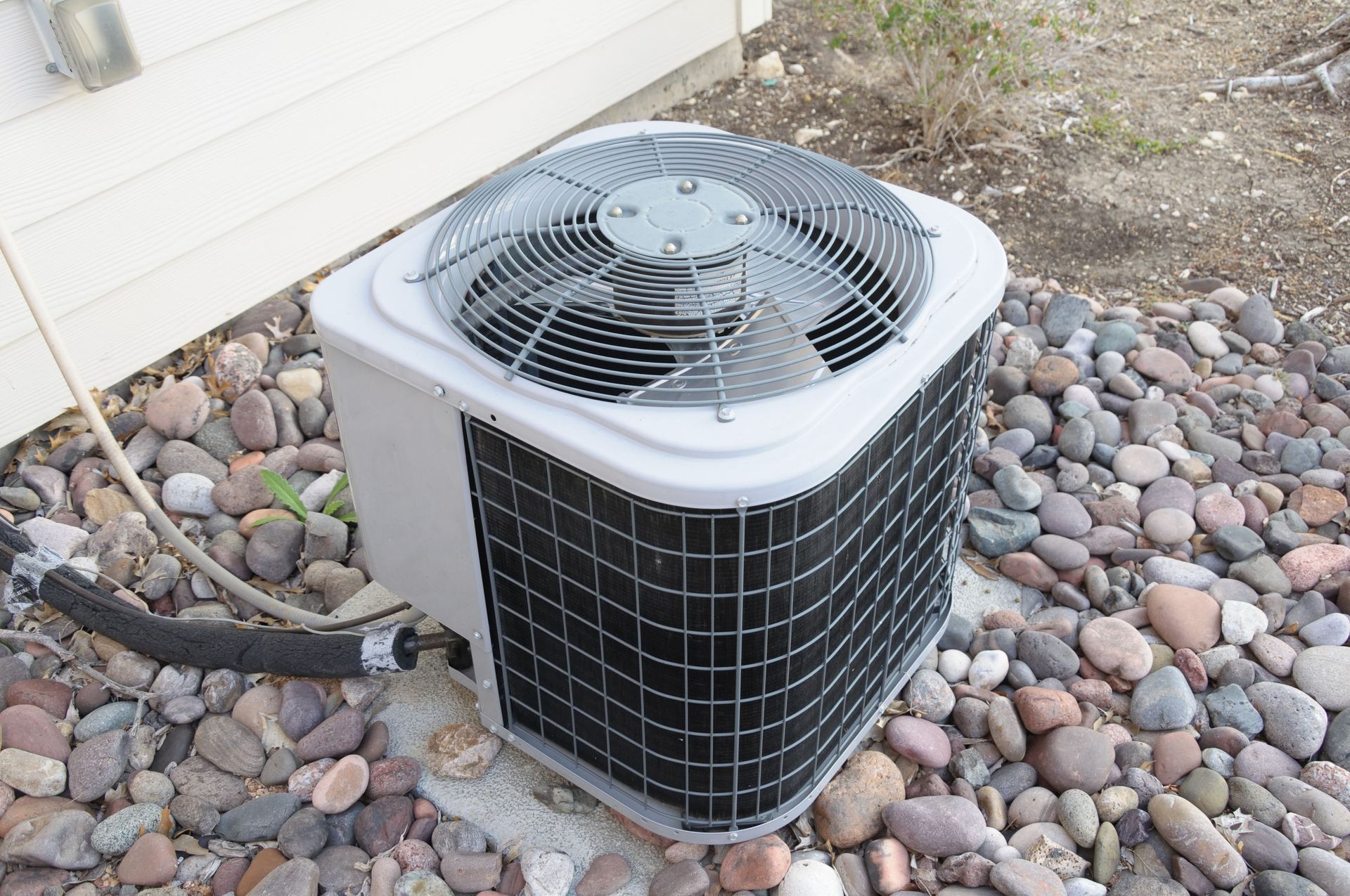
The outdoor unit needs adequate space around it to exchange heat effectively. Landscaping growth, accumulated debris, or nearby obstructions can affect airflow. An air conditioning contractor can inspect the equipment and surrounding conditions while checking for signs that outdoor exposure has affected performance.
Inspecting Coil Condition
Outdoor coils are exposed to dirt, weather, and airborne debris throughout the year. Their condition can influence how efficiently the system transfers heat. Professional maintenance can include evaluating whether the coils require service and checking for other conditions that may interfere with cooling performance.
Inspecting Visible Damage
Storms, yard activity, vibration, and normal aging can all affect outdoor equipment. Bent components, damaged panels, unusual sounds, or visible wear should be evaluated before summer demand increases. A professional inspection can help determine whether any observed damage requires repair.
Inspecting Operating Noise
Outdoor units make normal operational sounds, but new rattling, grinding, buzzing, or other unusual noises may point to developing concerns. Mentioning these sounds during maintenance can help technicians identify whether moving parts, electrical components, or other systems need closer attention.
Watching for Warning Signs
Noticing Longer Cooling Cycles
An air conditioner that runs much longer than expected may be struggling to reach the thermostat setting. This can happen for several reasons, including airflow problems, equipment wear, or changing household conditions. An air conditioning contractor can evaluate whether longer run times indicate a service issue.
Noticing Rising Energy Use
Energy consumption can naturally increase during hotter weather, but unexplained changes may suggest that the system is working harder than usual. Comparing current performance with previous seasonal patterns can help homeowners recognize when a professional evaluation may be appropriate.
Noticing Unusual Moisture
Moisture around indoor cooling equipment or drainage areas can indicate a condensate-related concern. Because water issues can affect nearby materials and system performance, persistent moisture should not be ignored. Professional service can identify the source and determine what corrective work is needed.
Noticing Reduced Cooling
If the system is running but indoor temperatures remain uncomfortable, the cause may involve several possible components. Professional diagnosis is important because replacing parts based on assumptions can miss the actual problem. A qualified technician can test the system and recommend the appropriate response.
Planning for Reliable Summer Operation
Reviewing System Age
Older air conditioners can continue operating reliably, but age becomes relevant when performance changes or repairs become more frequent. Homeowners should consider equipment age alongside service history and comfort concerns. An air conditioning contractor can provide professional context when deciding whether repair or eventual replacement deserves consideration.
Reviewing Repair History
A system that has required repeated repairs may warrant a broader evaluation before another busy cooling season. Looking at previous service issues can help identify patterns and provide context for current performance. This information can also support more informed planning for future equipment needs.
Reviewing Maintenance Needs
Consistent maintenance can help homeowners stay informed about system condition over time. Seasonal service gives technicians an opportunity to document wear, discuss developing concerns, and recommend appropriate professional care. This can make summer preparation more proactive rather than reactive.
Reviewing Future Cooling Needs
Household needs can change because of renovations, occupancy changes, additions, or different comfort preferences. These changes may affect how well existing equipment serves the home. Professional evaluation can help determine whether the current system remains appropriately matched to the property.
Preparing an air conditioner for summer is largely about making sure the system is evaluated before peak demand exposes hidden problems. Professional maintenance, airflow checks, thermostat testing, outdoor-unit inspection, attention to warning signs, and long-term planning can all support more reliable cooling. Homeowners who want dependable seasonal service should contact Allstar Heating & Cooling LLC today to schedule an appointment with an experienced air conditioning contractor and get their cooling system ready for warmer weather.
Share On: