
Facts You Need to Know When Hiring Quality HVAC Services
In the modern world, maintaining a comfortable indoor environment is crucial for homes and businesses alike. Hiring professional HVAC services can help ensure systems are operating efficiently, safely, and reliably. This article outlines important facts and considerations to guide you in selecting the right HVAC service provider.
Basic Components of HVAC Systems
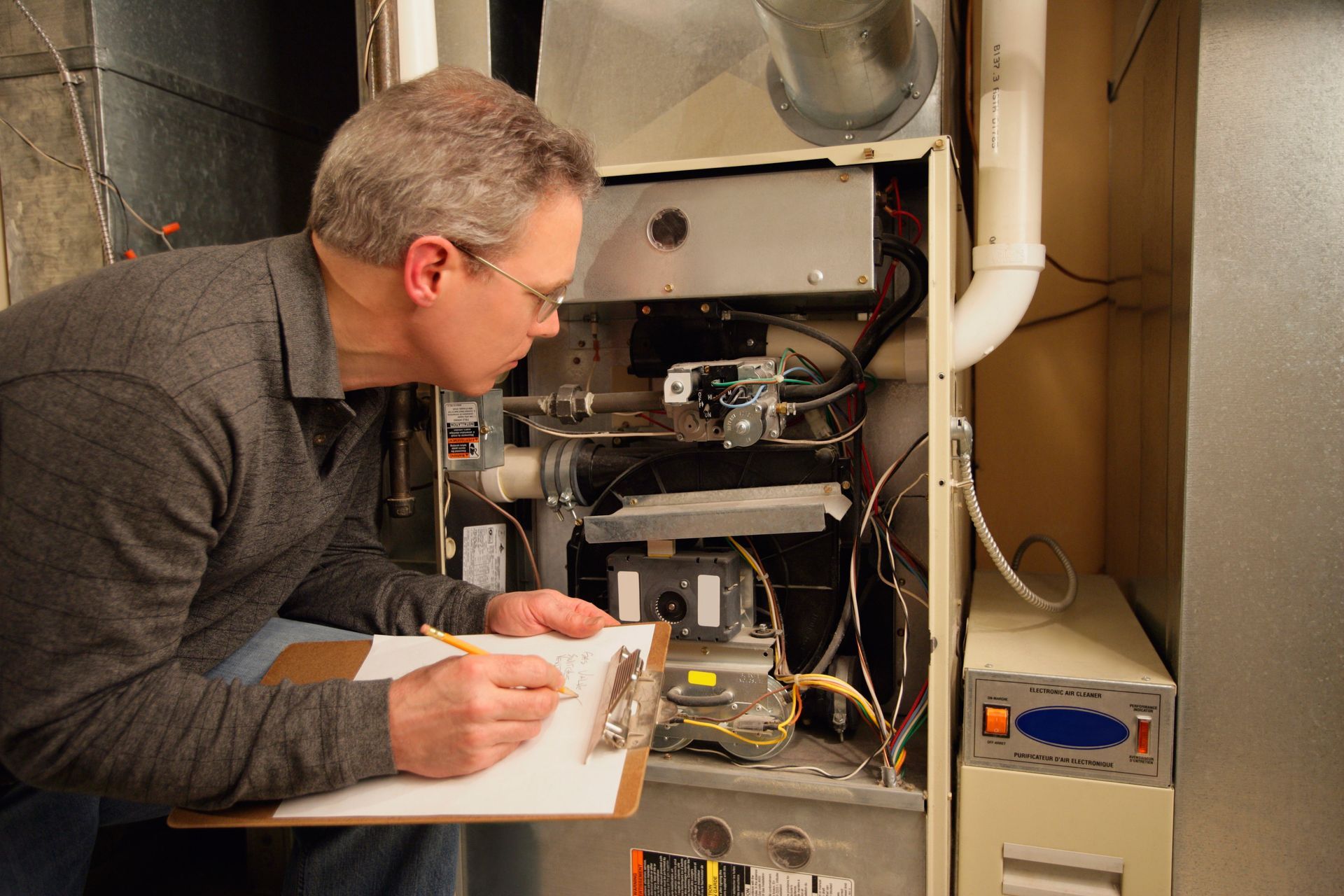
At their core, HVAC systems are designed to regulate indoor air quality, temperature, and humidity. They consist of several basic components like the furnace, evaporator coil, and a thermostat. The furnace is responsible for generating heat, while the evaporator coil works to cool and dehumidify air. A thermostat acts as the control panel, allowing you to set and maintain desired temperatures. Understanding these basic components can help you appreciate how integral each part is in maintaining your indoor comfort.
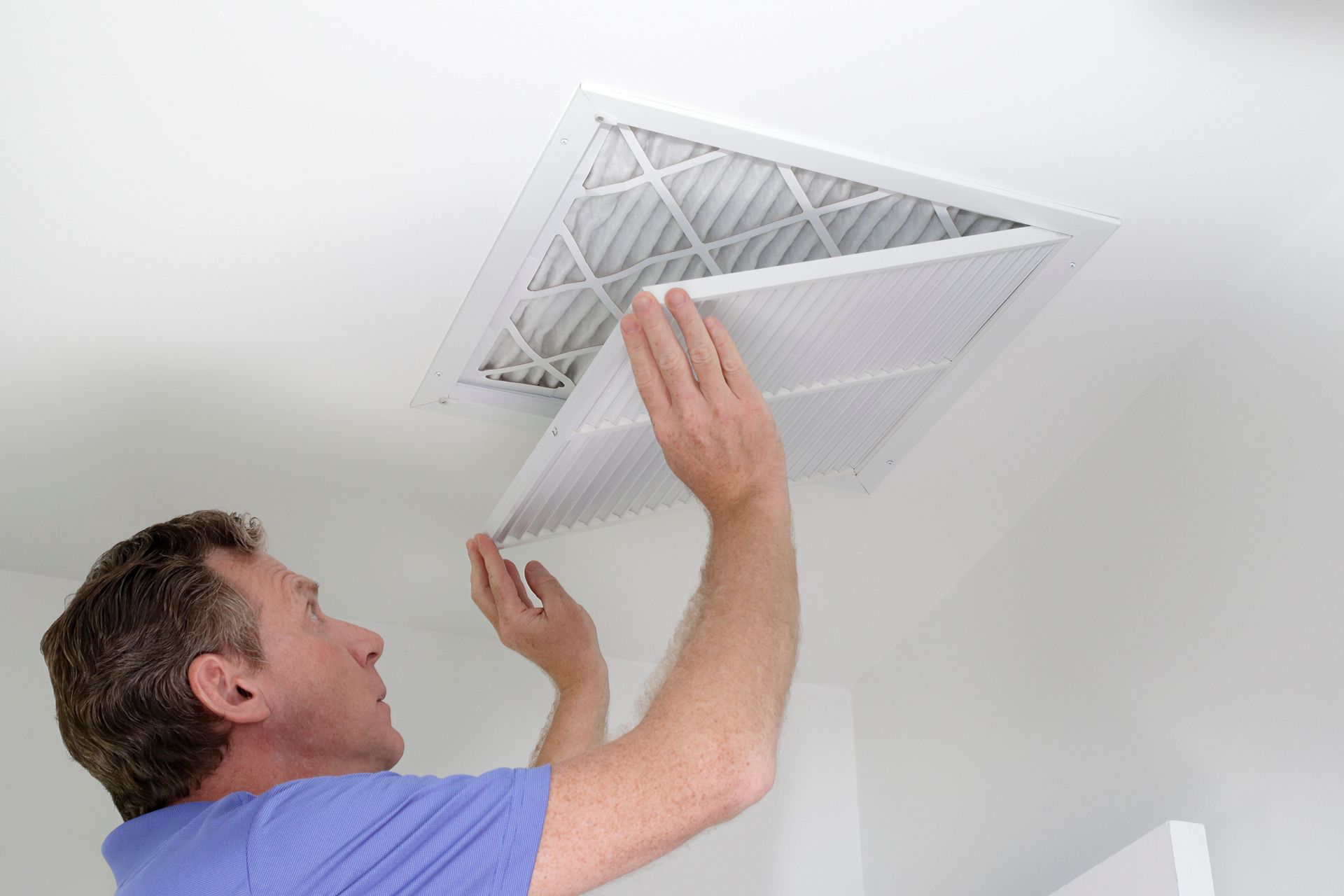
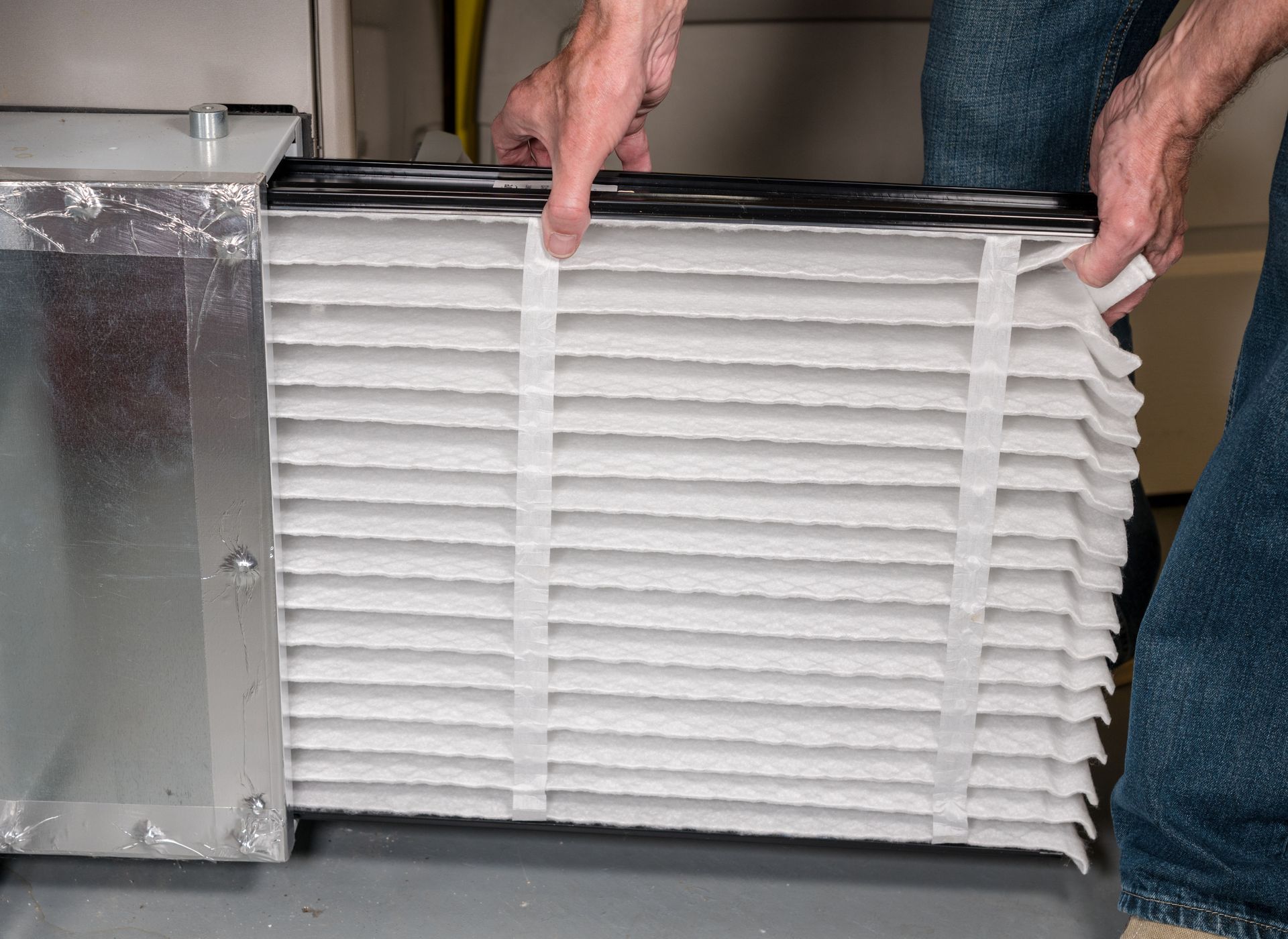
HVAC systems also include additional elements such as ductwork, filters, and vents. Ductwork transports conditioned air throughout the building, while filters trap dust and contaminants as air circulates. Regular maintenance of these components ensures they function optimally and helps to avoid issues that might arise from neglect. Moreover, well-maintained systems contribute to efficient energy consumption, which is important in light of annual spending on HVAC services, which, according to Jobber, is expected to exceed USD 10 billion by 2025. Investing in quality components ultimately saves costs on future repairs and energy bills.
Different Types of HVAC Systems
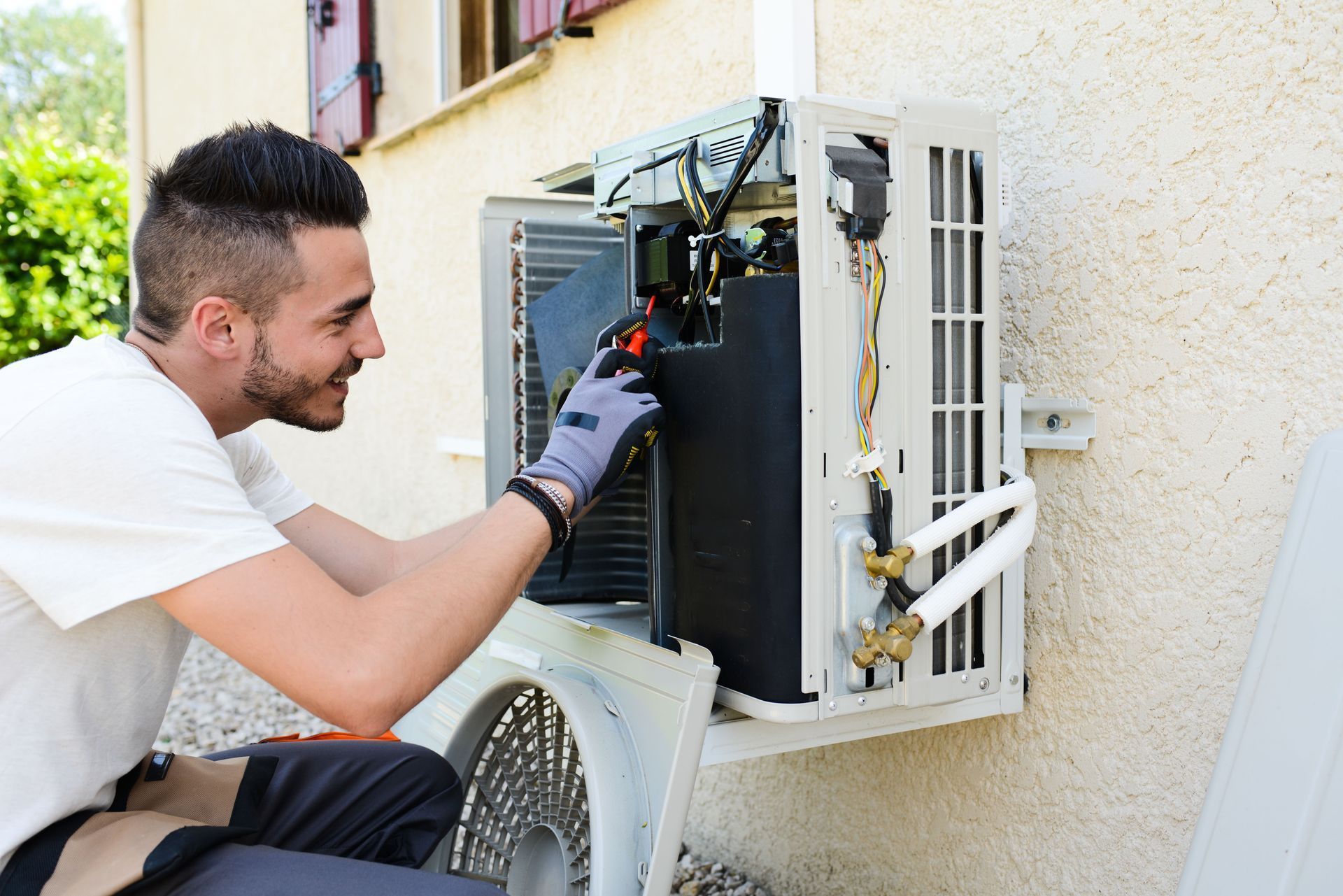
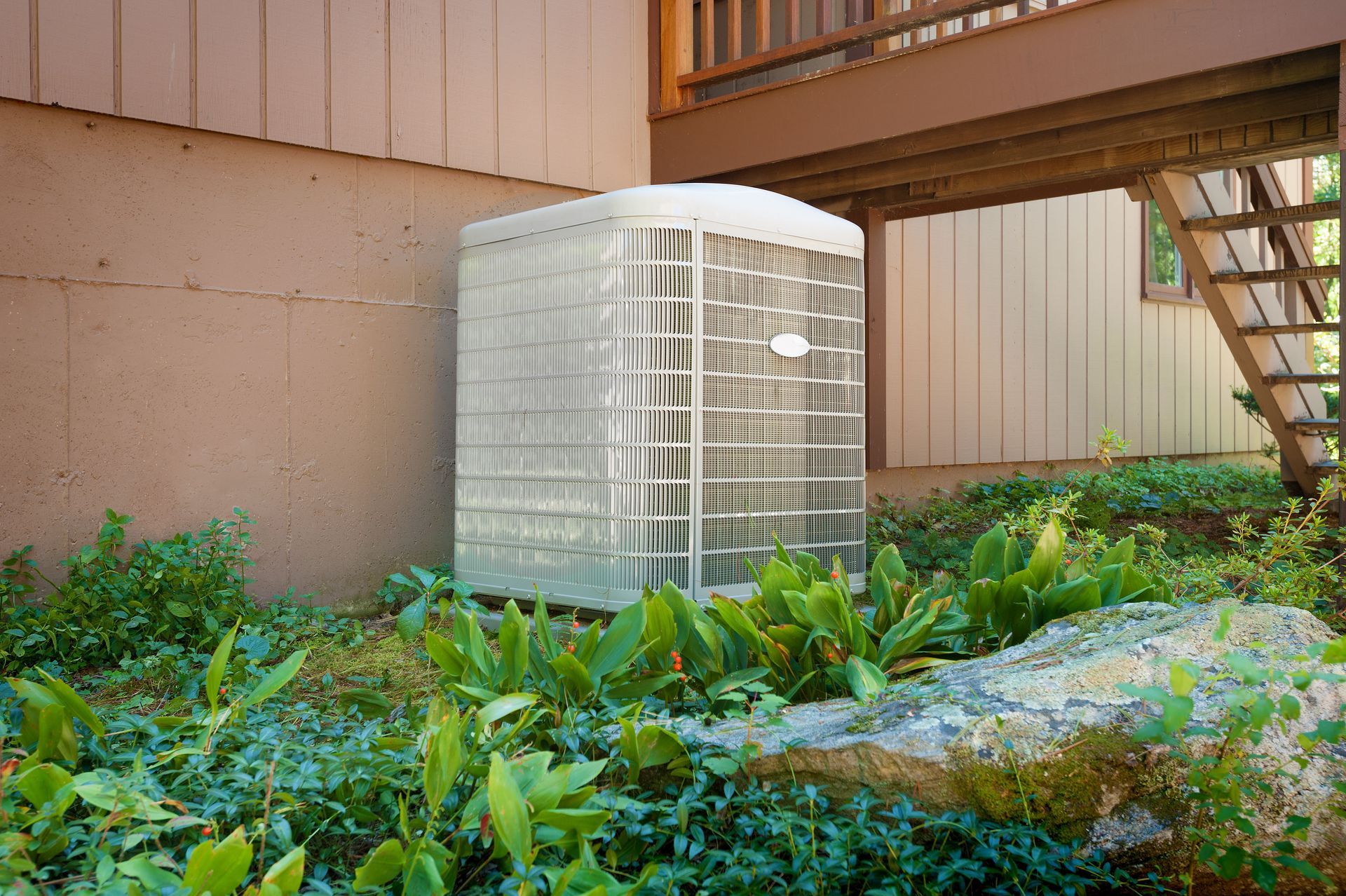
HVAC systems come in various types, each suitable for different needs and environments. Central air conditioning systems are common in larger homes, offering comprehensive climate control through a series of ducts. In contrast, ductless mini-split systems provide flexibility, allowing temperature management in individual rooms without extensive ductwork. Heat pumps serve dual functions, offering both heating and cooling, which can be highly efficient in moderate climates. Understanding these types assists in determining the most suitable system for a specific property.
Furthermore, geothermal HVAC systems are gaining popularity due to their sustainability. These systems leverage the earth’s stable underground temperature to provide efficient heating and cooling. Although the initial investment may be higher, geothermal systems offer significant savings over time and are environmentally friendly. On the other hand, hybrid systems combine a heat pump with a traditional furnace to optimize efficiency based on outdoor temperatures. Knowing the differences among these systems can help you choose the one that best aligns with your environmental and economic goals.
The decision on which HVAC system to choose also depends on the building’s infrastructure. Older buildings might not support the installation of central air conditioning without significant upgrades. For such scenarios, considering a ductless or portable unit could be beneficial. Moreover, each system type presents different maintenance needs and potential operational costs. Educating oneself about these elements can guide informed decision-making and partnerships with professional service providers.
How HVAC Systems Function
Understanding how HVAC systems function involves delving into the mechanics of heating, ventilation, and air conditioning. At the heart of many systems is the refrigeration cycle, which is pivotal for air conditioning. This cycle involves a compressor and refrigerant to absorb heat from indoor air, cool it via the evaporator coil, and then redistribute it within the space. For heating, furnaces burn fuel (either gas or oil) or use electric elements to warm up the air before it is circulated. These processes ensure a comfortable indoor climate throughout the year.
The ventilation component of HVAC systems is crucial for ensuring healthy indoor air quality. It involves the exchange of indoor air with outdoor air, removing pollutants, and controlling humidity levels. Proper ventilation reduces the risk of health problems associated with poor air quality, like respiratory issues and allergies. It also contributes to energy efficiency by maintaining balanced air pressure within the building. Maintaining the ventilation system can prevent issues and improve overall air quality.
Humidity control is another important function of HVAC systems, often overlooked by many. High humidity levels can foster mold growth and damage furniture, while low humidity can lead to discomfort and respiratory issues. Modern HVAC systems are equipped with humidifiers and dehumidifiers to maintain optimal humidity levels. By regulating humidity, HVAC systems contribute vastly to the overall comfort and safety of indoor environments. This comprehensive approach highlights the importance of investing in quality HVAC services to maintain these systems.
Common HVAC Terminology
Navigating HVAC services involves understanding specific terminology used within the industry. BTU, or British Thermal Unit, is a measurement of heat needed to raise the temperature of one pound of water by one degree Fahrenheit. This term is commonly used to rate heating and cooling systems. Efficiency is often expressed using terms like SEER (Seasonal Energy Efficiency Ratio) for air conditioners and AFUE (Annual Fuel Utilization Efficiency) for furnaces. Understanding these terms can help you assess a system's efficiency and operation effectively.
HVAC systems also include terms related to air quality, such as MERV rating (Minimum Efficiency Reporting Value), which indicates filter effectiveness. Higher MERV ratings capture smaller particles, enhancing indoor air quality. Similarly, a ton, in HVAC terms, refers to the cooling capacity of an air conditioner, equating to 12,000 BTUs per hour. Familiarity with these terms assists in understanding product specifications and guides informed decision-making. Recognizing this terminology can facilitate clearer communication with service providers.
Another essential term is the "load calculation," a critical factor in deciding the appropriate size and capacity of an HVAC system. Load calculation considers factors like building size, local climate, insulation, and occupants' habits. Conducting accurate load calculations ensures the system meets the space's unique needs without overworking or underperforming. Recognizing how these terms apply to your particular project can lead to more efficient and cost-effective HVAC investments. A grasp of these details is invaluable when selecting or upgrading HVAC services.
The Importance of HVAC Maintenance
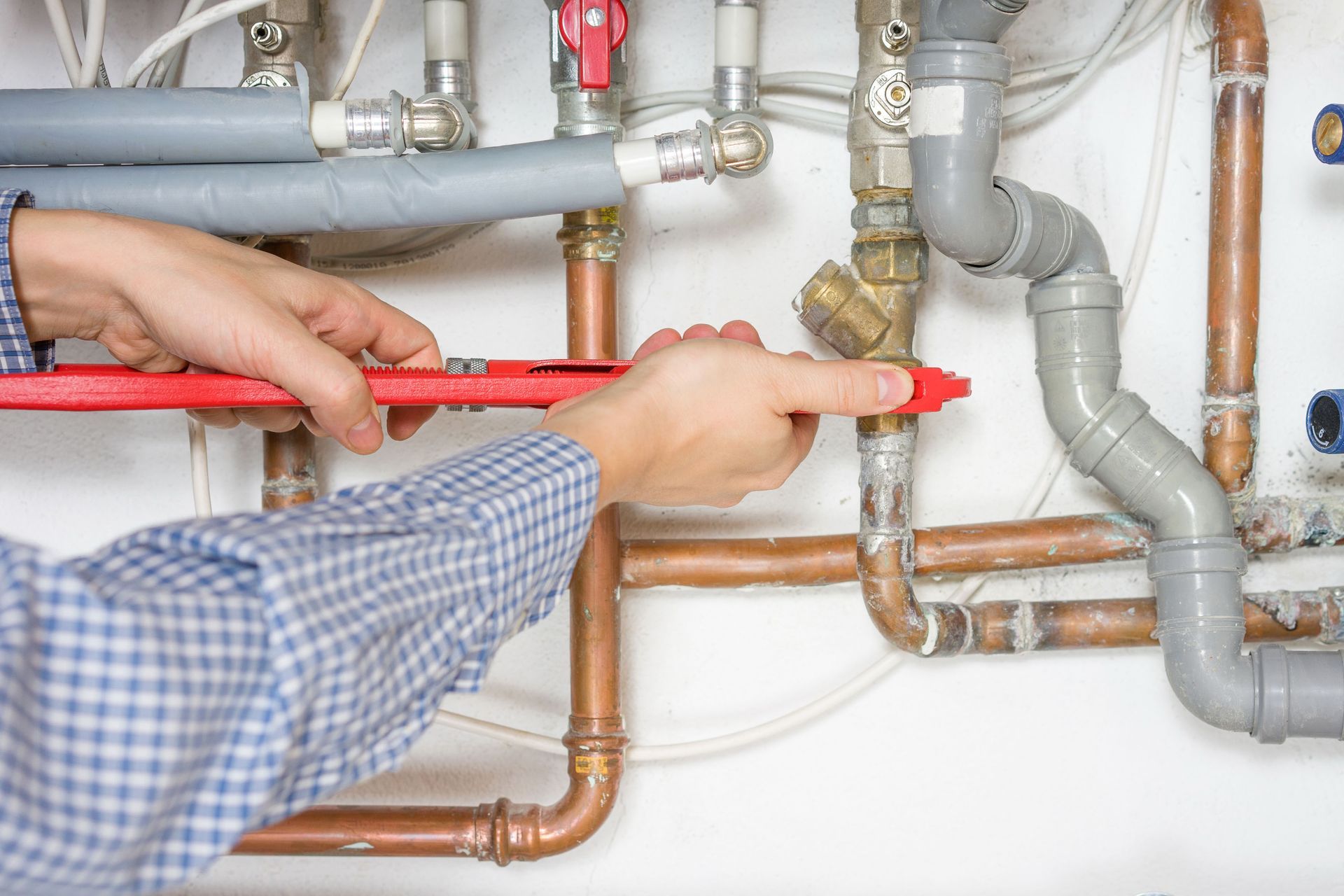
Regular maintenance of HVAC systems is an integral part of ensuring their longevity and efficiency. Routine checks help identify and fix minor issues before they escalate into significant problems, potentially saving thousands in repair costs. Proper maintenance also ensures systems operate at peak efficiency, which is essential for controlling energy bills, especially with HVAC repair and maintenance services forecast to exceed USD 10 billion by 2025. This preventive approach protects your investment and contributes to a comfortable indoor environment year-round.
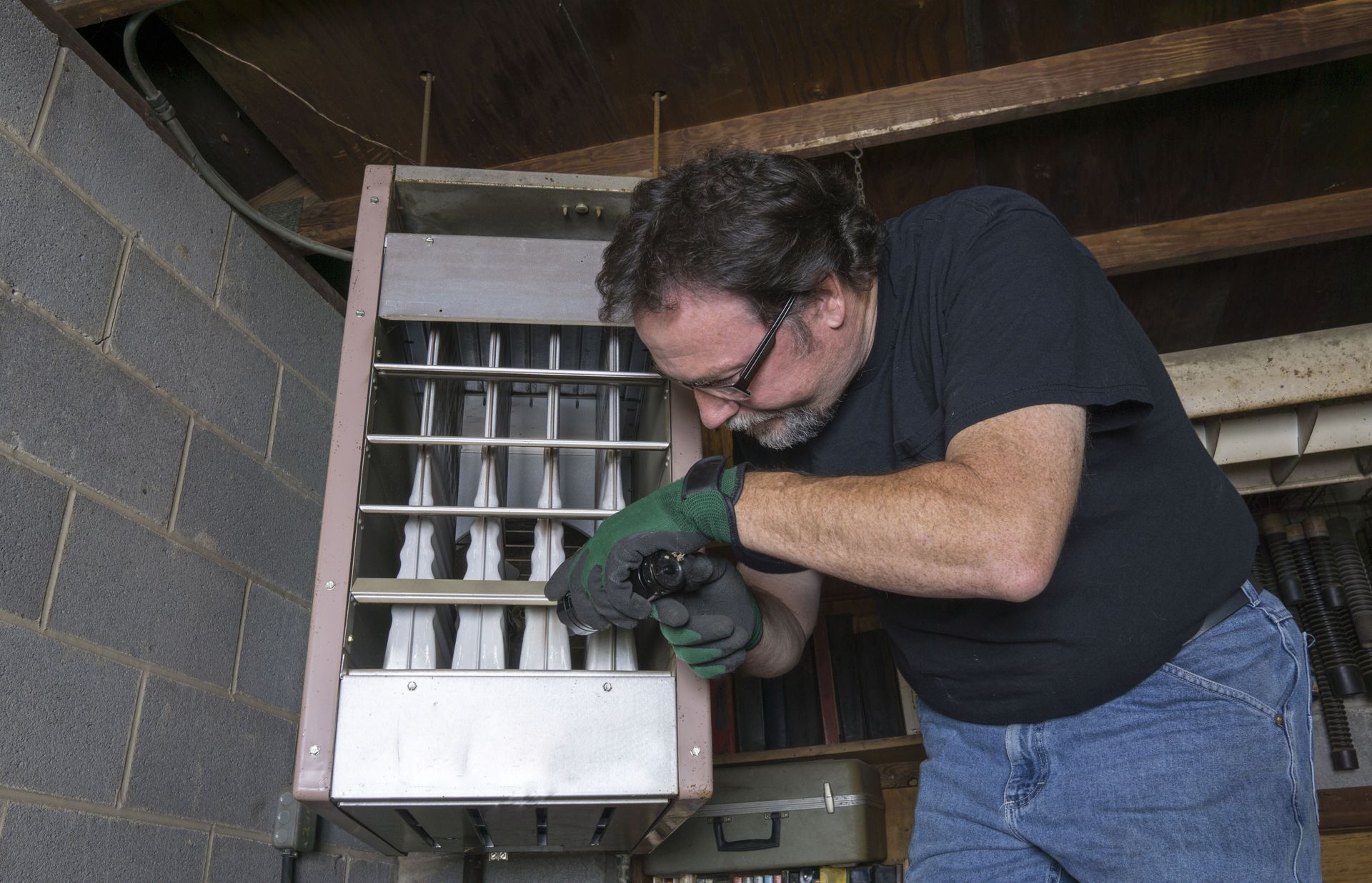
Moreover, many HVAC companies offer maintenance agreements, providing regular inspections and discounted services for an agreed fee. These plans can be tailored to fit specific needs and budgets, ensuring peace of mind and safeguarding against costly repairs. Working with a reliable HVAC services provider to establish a maintenance schedule ensures all components function correctly and efficiently. This collaborative approach keeps your systems up-to-date with the latest safety and energy standards. Commitment to regular maintenance is a smart, proactive approach to HVAC management.
HVAC systems play a vital role in maintaining indoor comfort, air quality, and energy efficiency throughout the year. Understanding how these systems work, the different types available, and the importance of proper maintenance empowers property owners to make informed decisions. Partnering with a qualified HVAC services provider ensures your system operates safely, efficiently, and reliably while helping prevent costly breakdowns and premature replacements. With regular professional care, your HVAC system can deliver consistent comfort and long-term value.
If your HVAC system needs maintenance, repairs, or an expert evaluation, don’t wait for small issues to turn into major problems. Contact a trusted HVAC services professional from Allstar Heating & Cooling LLC today to schedule an inspection and keep your home or business comfortable in every season.
Share On: