
Furnace Repair: Common Issues and What They Mean
In many households, the furnace is an essential appliance that provides warmth and comfort during cold months. Like all mechanical systems, furnaces can experience issues that require troubleshooting and repair. An efficiently functioning furnace not only enhances comfort but also contributes to energy savings. Proper knowledge and regular maintenance can extend a furnace’s life, ensuring it meets the average lifespan observed in the United States, which ranges between 15 and 20 years, according to Gitnux. Understanding common furnace repair problems and their implications can help homeowners maintain an efficient heating system and avoid unnecessary expenses.
Pilot Light and Ignition Problems
When a pilot light continuously goes out, it can be a sign of underlying issues that need addressing. Common causes include a dirty or clogged pilot orifice, which prevents the light from staying lit. Another frequent culprit is a faulty thermocouple, which controls the gas flow to the pilot light. A malfunctioning thermocouple can erroneously shut off the gas, causing the pilot light to extinguish. Homeowners should regularly inspect and clean the pilot light assembly to prevent these problems.
The instability of a pilot light can also be indicative of draft issues affecting the furnace. Poor ventilation or a damaged flue can cause drafts that extinguish the pilot light unexpectedly. Assessing the surrounding area for disruptions can aid in resolving draft-related problems. Furthermore, the presence of excess moisture can corrode components and exacerbate pilot issues. Regularly checking for environmental changes can minimize the risk of pilot light failure.
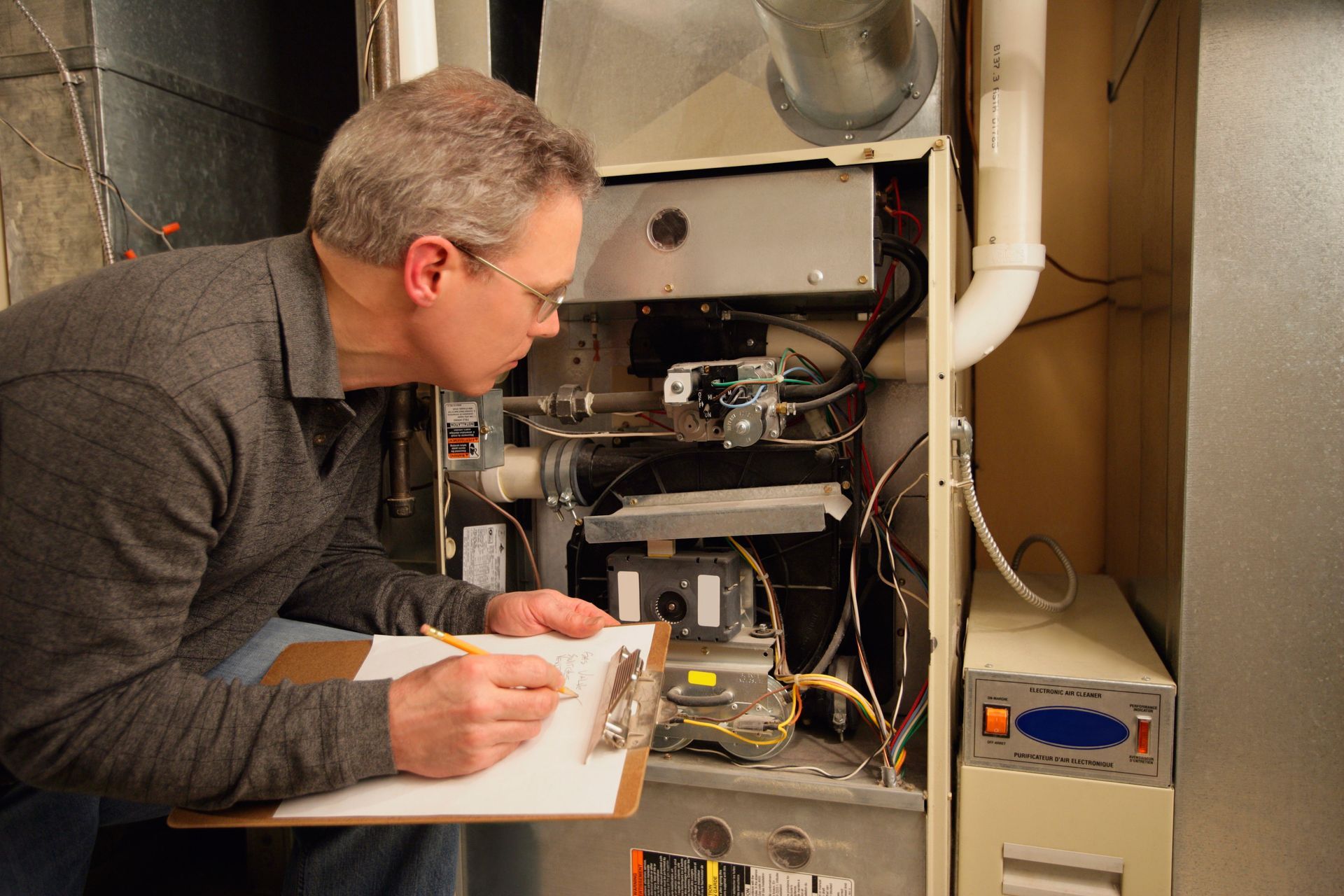
If basic troubleshooting doesn’t resolve the issue, it might be necessary to consult a professional. A persistent problem with the pilot light can lead to further complications, including more severe ignition failures. Professionals can test and recalibrate components like the thermocouple or gas valve to restore functionality. Prompt addressing of pilot light issues can prevent disruptions in heating services. Maintaining a steady pilot light is crucial for the effective operation of older furnace models.
Electronic ignition furnaces rely on modern technologies to initiate heating without a constant pilot light. Ignition failure in these systems can be due to several factors, starting with sensor malfunctions. The sensor's inability to detect the flame can result in the gas valve closing prematurely, preventing ignition. Another potential issue is power supply instability, which interrupts the electronic components needed for ignition. A professional may be required to recalibrate or replace an ignition sensor to overcome such problems.
Intermittent failures can also arise from circuit board issues that disrupt the ignition sequence. Aging circuit boards are susceptible to damage, which can lead to irregular furnace operation. Addressing circuit board issues may involve replacing components or the entire board. Ensuring all electrical connections are sound can alleviate some ignition failures. Regular maintenance checks can reduce the risk of unexpected circuit board malfunctions.
Furthermore, ignition failures may stem from faulty wiring or loose connections within the furnace. Electrical integrity is vital for the proper functioning of the furnace’s ignition system. Frequent inspection of wires and other electrical components can preemptively identify signs of wear or damage. Areas most prone to wear include connection points and areas near the control panel. Prompt resolution of these issues is critical to prevent costly furnace repairs and further damage to the ignition system.
Blower Issues
When a furnace blower fails to turn on, it limits the furnace's ability to distribute warm air throughout the house. This issue could be due to a malfunctioning blower motor, which might not receive adequate power. Electrical connections or circuit breakers may require assessment to identify any faults causing power interruption. Conducting a simple reset of the thermostat settings can sometimes restore operation. If these efforts fail, it's advisable to contact an HVAC technician for a comprehensive diagnosis.
Thermostat issues might also contribute to the blower failing to engage. Incorrect settings or faulty wiring can lead to the blower not responding to the furnace's heating demand. Basic checks on the thermostat settings can rectify simple user errors. Additionally, professional examination may uncover more complex wiring faults. Addressing these issues not only rejuvenates blower function but enhances overall heating efficiency.
Blower issues can be further complicated by mechanical faults within the system. A seized blower motor or a broken fan belt can prevent the motor from running. These issues often require the replacement of parts to restore function. Routine maintenance can often catch these mechanical problems early before they escalate. Ensuring the blower assembly is in good condition is key for reliable furnace performance.
When a furnace blower runs continuously, it may suggest a problem with the electrical or control system. This persistence can wear out system components faster than usual, reducing the system’s overall lifespan. Many cases of continuous operation are traced to the fan setting being positioned to “On” instead of “Auto.” Adjusting the thermostat can often solve this, as the fan should cycle only when heating is necessary. Regular consultation of the thermostat settings can ensure optimized operation.
Faulty fan limit switches can also cause constant blower function. The fan limit switch directs the blower when to commence and cease operation during heating cycles. A stuck or faulty switch may necessitate replacement to curb excessive blower operation. Professional assessment is often required to ensure accurate replacement and adjustment. Correct functioning of these switches maintains energy efficiency and prolongs component life.
Thermostat Malfunctions
A common issue that requires furnace repair is inaccurate temperature readings from the thermostat. This can lead to erratic heating cycles and unnecessary energy use. Typically, temperature fluctuations originate from the thermostat’s improper calibration or malfunctioning sensors. Cleaning dust and debris from the device and ensuring it is level on the wall can sometimes correct these inaccuracies. Ensuring proper positioning away from heat sources and drafts helps maintain accurate readings.
Loose wiring or inadequately connected terminals may further contribute to temperature misreadings. Proper inspection and secure reconnection of these wires may resolve erratic temperature issues. Replacing the thermostat might be necessary if malfunction persists, ensuring reliability and accuracy. Professional evaluation and repair can save users from prolonged discomfort due to inaccurate thermostat readings. Keeping connections secure is crucial for maintaining a stable and consistent temperature output.
Furthermore, dated thermostats can exhibit gradual loss of functionality. Older models may lack the precision associated with contemporary electronic devices. Upgrading to newer thermostats with advanced features can enhance control and accuracy. Regularly updating thermostat technology ensures optimal furnace operation matching modern energy-efficient standards. Maintaining updated thermostat systems is essential for achieving maximum heating efficiency and ease of use.
If a furnace fails to respond to thermostat commands, it indicates potential disconnects within the control system. One common factor is power disruption, which may occur due to tripped circuit breakers, drained batteries, or loose connections. Checking these components can restore connections and signal flow between devices, reestablishing command compliance. Various user-error conditions, such as incorrect mode settings, also play a role in non-response. Adjusting these settings can harmonize the thermostat's operation with the furnace systems.
Advanced models may include software issues affecting control acceptance. Resetting the thermostat or updating its firmware may rectify intolerance to input adjustments. Frequent miscommunication between digital devices can necessitate professional evaluation to determine compatibility with furnace units. Scheduling a professional technician's visit can identify hidden performance barriers within the system. Harmonized operations between the furnace and thermostat are pivotal in achieving desired heating results.
Understanding common
furnace repair problems can help homeowners recognize potential issues before they lead to larger repairs or heating disruptions. From ignition and blower problems to thermostat malfunctions, timely attention and regular maintenance can support reliable furnace performance and energy efficiency. When troubleshooting doesn’t resolve an issue, a qualified HVAC professional can identify the underlying cause and determine the appropriate repair. Taking a proactive approach to furnace care can help maintain a comfortable home and extend the system’s useful life. When you need professional furnace repairs, reach out to Allstar Heating & Cooling LLC.
Share On: