
7 Common HVAC Issues and When to Call a Professional
HVAC systems are essential for maintaining comfort and indoor air quality, regulating temperatures, and ensuring efficient energy use. Despite their reliability, these systems can experience problems that reduce performance, increase energy costs, and even lead to costly repairs or replacements. Understanding the signs of common HVAC issues and knowing when to call a professional is crucial for homeowners seeking to maintain a safe and efficient system.
Many homeowners attempt to troubleshoot HVAC problems on their own, often underestimating the complexity of diagnosing and repairing these systems. While basic tasks like changing filters or checking thermostat settings can help, more serious concerns require professional expertise. This guide outlines the most common HVAC challenges, explaining when professional intervention is necessary to ensure safety, efficiency, and longevity.
1. Address Poor Airflow
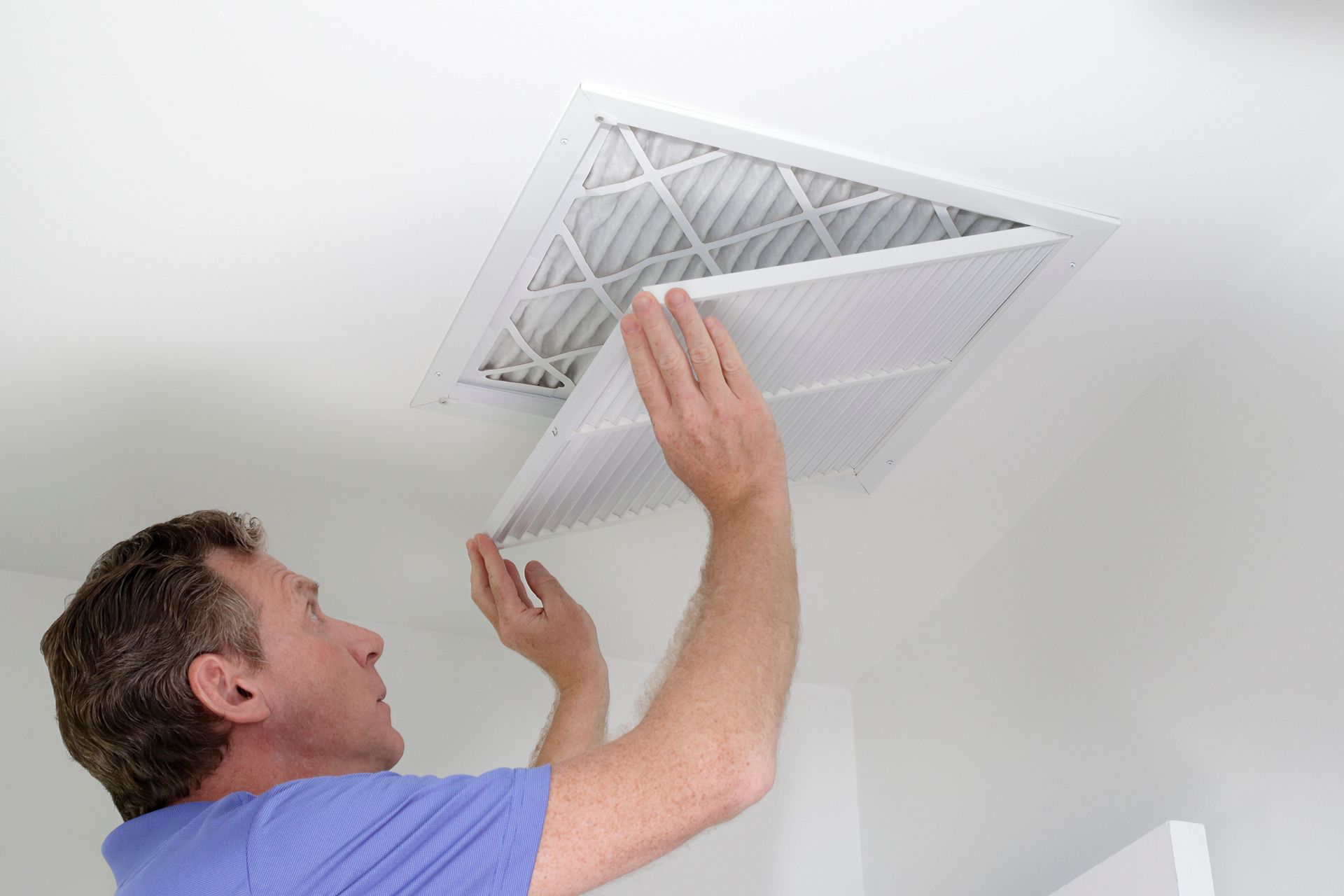
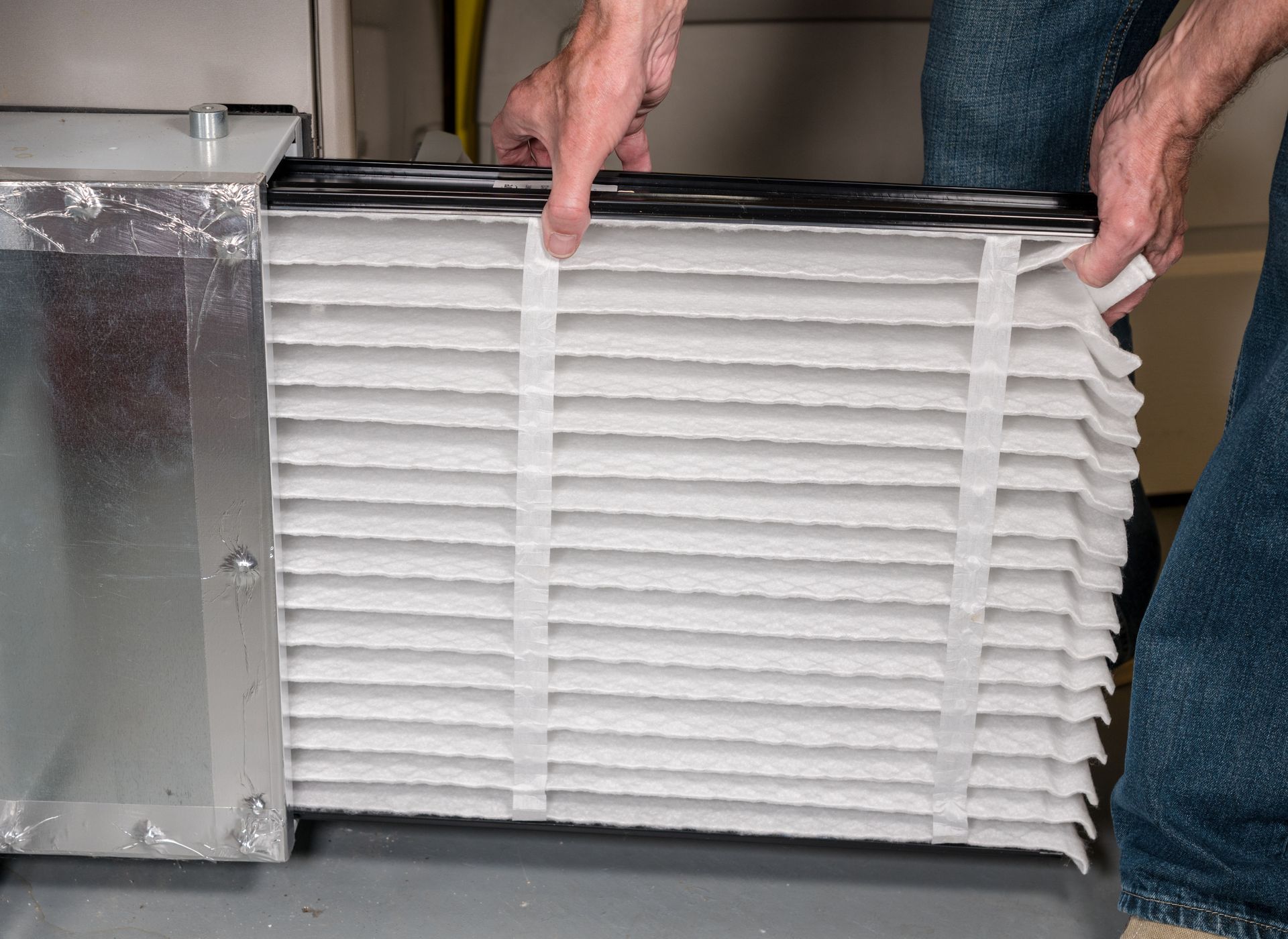
Poor airflow is one of the most frequent HVAC complaints and can cause uneven heating and cooling throughout a home. A primary cause is clogged or dirty air filters. Filters trap dust and debris, but when neglected, they restrict airflow and force the system to work harder, decreasing efficiency. Homeowners can prevent many airflow problems by regularly checking and replacing filters, which also helps extend the lifespan of the HVAC system.
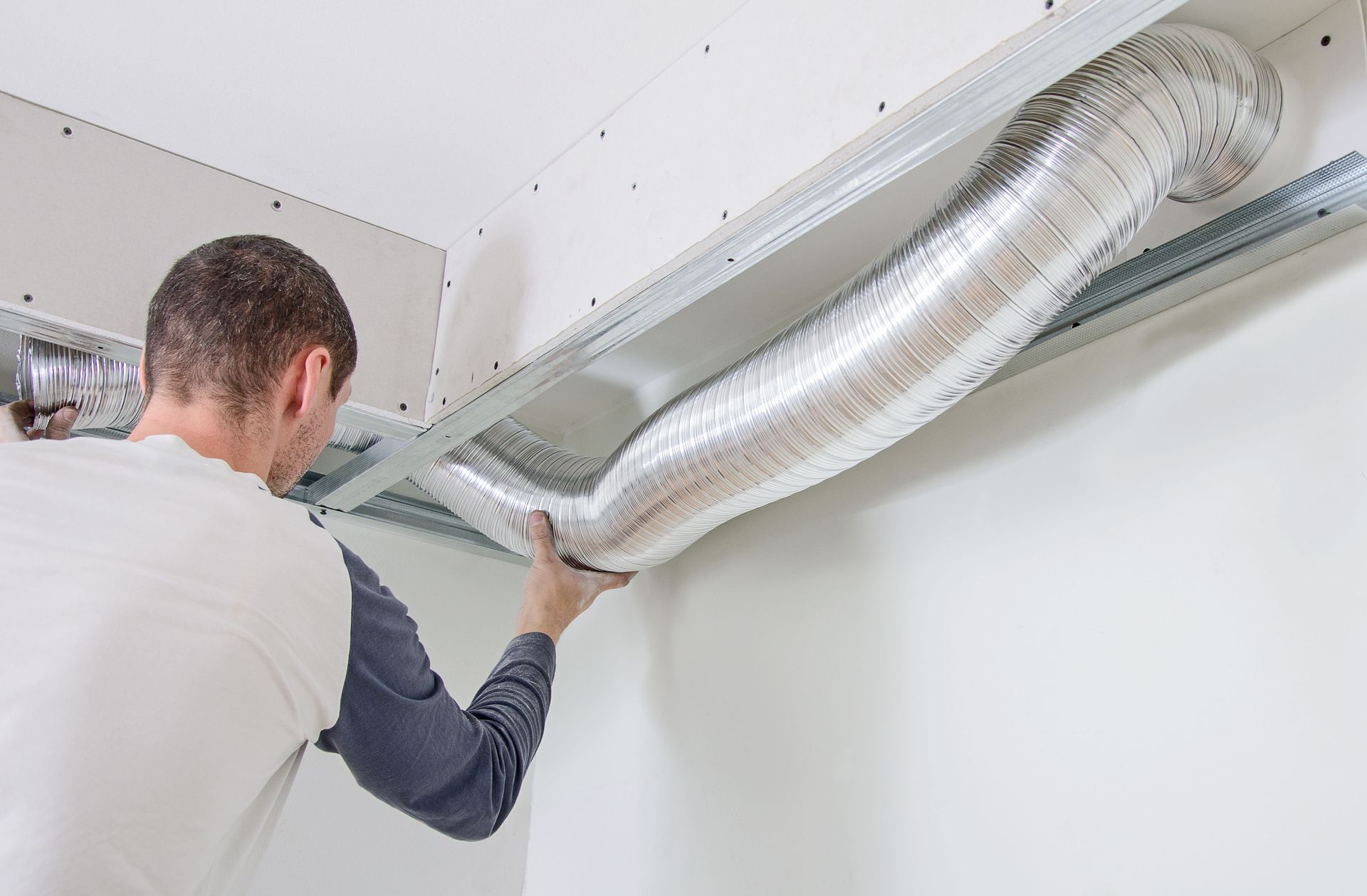
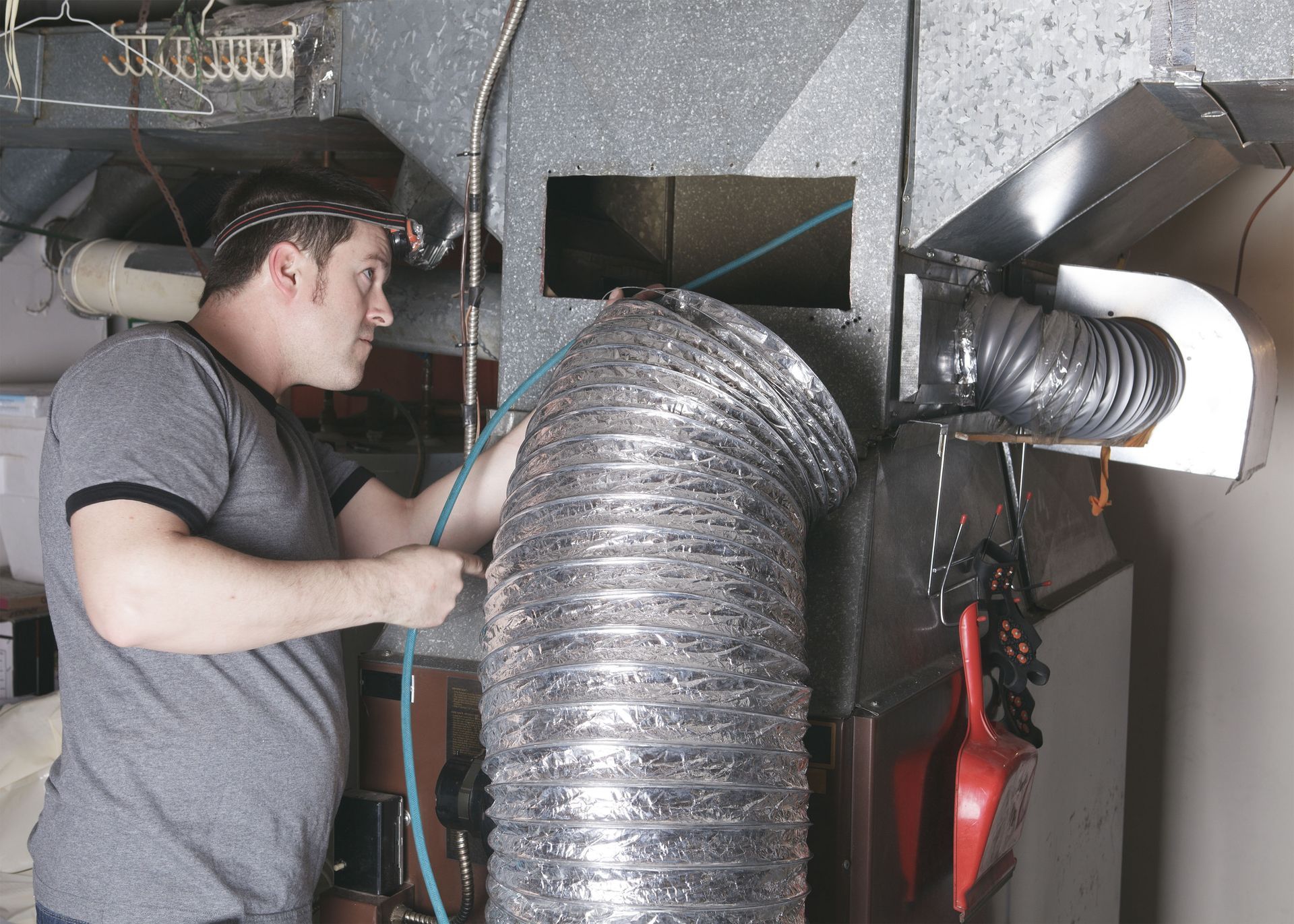
Blocked ductwork is another common contributor. Debris, dust buildup, or even animals in the ducts can impede airflow, reducing overall system performance. While homeowners can sometimes clear minor obstructions, thorough inspections and professional duct cleaning are often necessary to restore proper airflow.
Finally, a malfunctioning blower motor can severely compromise airflow. This component circulates conditioned air throughout the home, and mechanical issues or wear can hinder its performance. Professional technicians are trained to identify and repair these problems safely and efficiently, ensuring the system operates as intended.
2. Correct Uneven Heating or Cooling
Uneven temperatures in different areas of the home can result from zoning system malfunctions, thermostat errors, or poor insulation. Zoning systems allow independent temperature control in various parts of the house, and a malfunction can lead to uncomfortable hot and cold spots. Skilled HVAC professionals can recalibrate or repair zoning systems, restoring consistent comfort throughout the home.
Thermostat issues also contribute to uneven heating or cooling. Faulty thermostats may send incorrect signals, causing the HVAC system to operate inefficiently. While homeowners can check settings and replace batteries, technical problems with thermostats are best addressed by professionals.
Additionally, poor insulation and air leaks can exacerbate uneven temperatures, allowing heat exchange with the outside environment. Gaps in walls, windows, and attics increase energy waste and reduce comfort. A professional energy audit can pinpoint deficiencies and recommend solutions to improve insulation and efficiency, ensuring even temperature distribution and lower energy costs.
3. Investigate Strange Noises
Unusual noises are often the first indicator of an underlying HVAC problem. Banging or clanging sounds may signal loose or broken components inside the system. While some issues may be minor, persistent noises can indicate serious mechanical failures requiring professional repair.
Rattling noises often stem from loose panels or debris in the system. Attempting to fix these issues without proper knowledge can be risky, so it’s advisable to contact an HVAC professional to inspect and secure the system correctly.
Squealing or screeching sounds usually point to problems with the blower motor or belts. These components require precise handling, and improper adjustments can worsen the situation. Professional HVAC services can address mechanical wear safely, preventing further damage and ensuring the system continues to operate efficiently.
4. Resolve Frequent Cycling On and Off
Frequent cycling, or short cycling, occurs when an HVAC system repeatedly turns on and off, increasing wear and energy consumption. Checking thermostat settings is a good first step, as incorrect configurations may cause unnecessary cycling. However, persistent short cycling often indicates more complex issues that require professional attention.
Low refrigerant levels can also cause frequent cycling. The system may struggle to reach the desired temperature, turning on and off repeatedly. Handling refrigerant safely requires specialized knowledge, so it’s critical to rely on licensed professionals for inspection and refills.
Electrical problems, such as faulty wiring or failing components, can similarly lead to short cycling. Diagnosing and repairing electrical issues is complex and dangerous for untrained homeowners. Professional HVAC services provide the expertise and tools to resolve these issues safely, maintaining system reliability and efficiency.
5. Eliminate Unpleasant Odors
Unpleasant odors from an HVAC system often signal issues that require professional attention. Musty or moldy smells indicate moisture or mold growth inside the system or ducts, posing health risks and potentially damaging components. Professional HVAC services, including cleaning and sanitization, can resolve these problems and prevent future occurrences. Addressing these odors promptly also helps maintain indoor air quality and keeps family members comfortable and healthy.
Burning or electrical smells are another warning sign, suggesting overheating or faulty wiring. Ignoring these odors can create fire hazards. Certified HVAC technicians can identify the source and repair it safely, restoring both system functionality and peace of mind. Early detection of these smells can prevent costly repairs and reduce the risk of system failure or accidents.
In some cases, a rotten egg or sulfur smell may indicate a natural gas leak, a severe safety concern. Immediate professional intervention is essential to prevent dangerous incidents and ensure the household remains safe. Prompt action in these situations can protect both property and lives, making professional expertise crucial.
6. Investigate Rising Energy Bills
Unexpectedly high energy bills often indicate that an HVAC system is operating inefficiently. Dirty filters, clogged ducts, and malfunctioning components can all increase energy consumption. Routine maintenance helps sustain efficiency, but unexplained spikes in energy use typically require professional evaluation.
Monitoring thermostat settings and household usage can reveal unnecessary energy expenditure, but if bills remain high, professional diagnostics are necessary. Technicians can perform energy audits to identify inefficiencies and recommend corrective measures, ensuring optimal performance.
Older systems also tend to operate less efficiently as components age. Upgrading to a newer system may be a cost-effective solution, especially considering that all new HVAC systems must meet a minimum SEER rating of 13, according to Modernize.com. Professional guidance helps homeowners make informed decisions about maintenance, repairs, or system replacement, ultimately reducing long-term energy costs.
7. Maintain Regular Professional HVAC Services
Regular professional HVAC services play a vital role in preventing the issues discussed above. Routine inspections allow technicians to detect potential problems early, maintaining system efficiency, reducing the risk of breakdowns, and extending the system’s lifespan. Professional maintenance ensures that all components, from filters to ductwork to electrical systems, are functioning correctly, giving homeowners peace of mind.
Scheduling consistent maintenance with certified technicians can also improve indoor air quality, prevent unexpected failures, and protect the home’s investment. By proactively addressing minor issues, homeowners can avoid costly repairs or replacements and enjoy consistent comfort throughout the year.
Regular professional HVAC services can also help homeowners stay up to date with the latest energy efficiency standards and technology upgrades. Technicians can recommend improvements or system enhancements that optimize performance, lower energy costs, and ensure the HVAC system meets current regulatory requirements.
Common HVAC issues, including poor airflow, uneven temperatures, strange noises, frequent cycling, unpleasant odors, and rising energy bills, highlight the importance of timely professional intervention. While homeowners can manage basic maintenance tasks, complex problems require skilled HVAC services to ensure safety, efficiency, and longevity.
Investing in professional HVAC services not only resolves existing issues but also prevents future problems, helping to maintain comfort, reduce energy costs, and safeguard the home. At Allstar Heating & Cooling LLC, we provide expert assessments and repairs, ensuring your HVAC system operates safely and efficiently. We encourage homeowners to partner with us to protect their investment and maintain a comfortable living environment year-round.
Share On: