
How Air Conditioning Contractors Support Year-Round Comfort
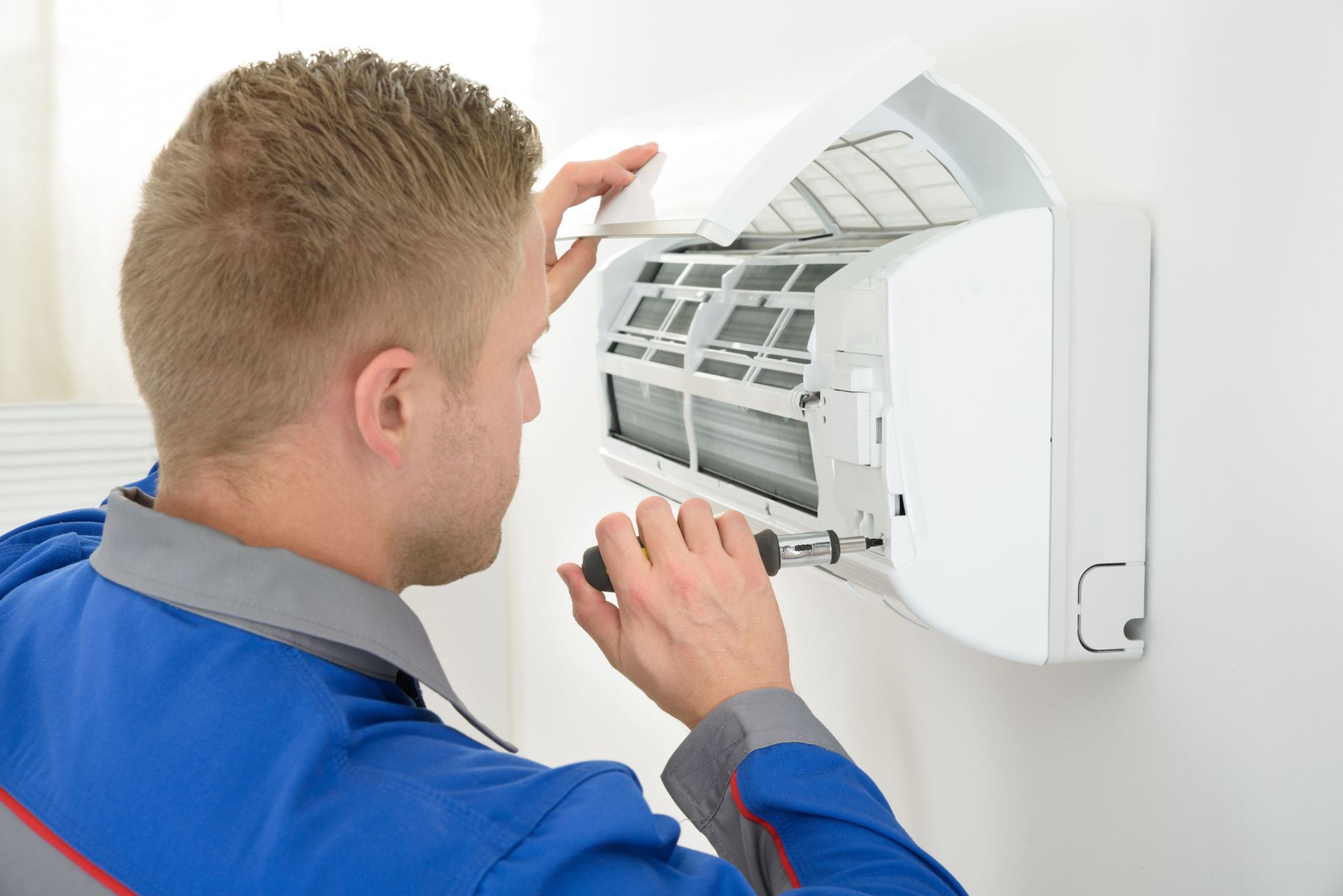
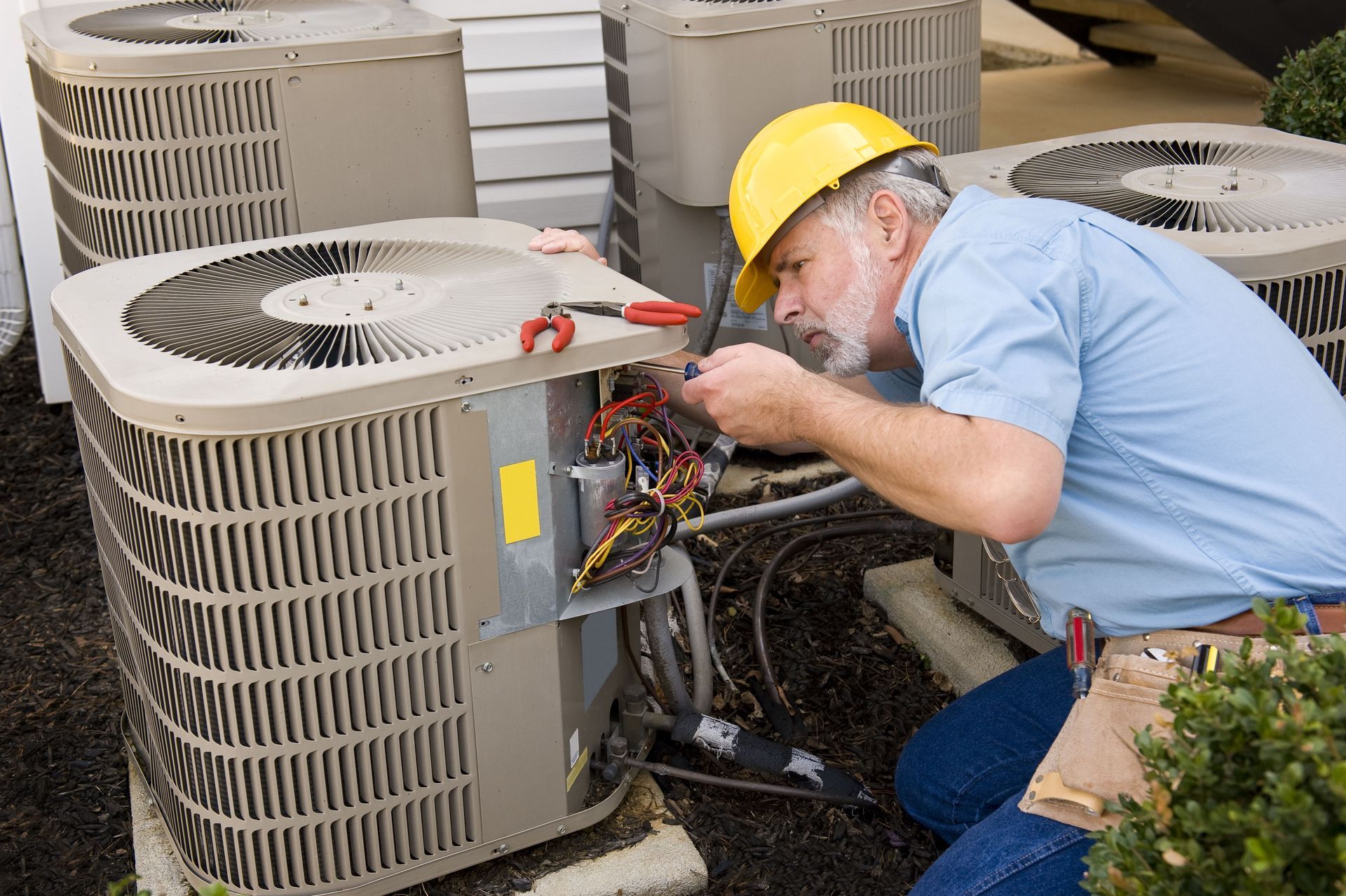
Maintaining a stable, perfectly regulated interior climate is a fundamental component of modern residential and commercial property management. Air conditioning contractors play a pivotal role in ensuring that indoor spaces remain safe, healthy, and exceptionally comfortable regardless of fluctuating seasonal weather patterns. These highly trained professionals manage the complete lifecycle of climate control infrastructure, executing precise installations, rigorous seasonal maintenance, and complex mechanical repairs.
Given the compounding challenges of modern climate volatility and the intense heat loads generated by high-density urban environments, the modern HVAC specialized sector has become entirely indispensable to daily societal operations. A malfunctioning climate control system is far more than a minor domestic inconvenience; it introduces immediate risks to structural indoor air quality and occupant wellness. Consequently, exploring the diverse engineering mechanisms through which specialized technical crews optimize and uphold these mechanical systems offers valuable insights into their essential contributions to modern building sustainability and human comfort.
1. Assessing Ocular and Environmental Climate Demands
Professional air conditioning contractors initiate every property consultation by mapping the specific, highly individualized comfort and health requirements of a building's occupants. This investigative process requires a comprehensive understanding of human biometrics and spatial ergonomics, as distinct users exhibit varying sensitivities to temperature drift and relative humidity levels. Furthermore, technicians must evaluate critical medical needs, customizing specific filtration arrays for occupants who struggle with severe respiratory conditions like asthma or chronic allergies. By applying advanced diagnostics to analyze the internal environment, contractors can engineer balanced, custom-tailored air distribution strategies. This level of personalization ensures the mechanical systems perform efficiently while actively supporting occupant productivity and physical wellbeing.
To design an exceptionally resilient and dependable heating and cooling grid, air conditioning contractors must execute detailed geographical evaluations of regional climate patterns. This environmental assessment involves studying decades of localized weather data, historical humidity peaks, and the statistical frequency of sudden, severe heatwaves. Accounting for these regional variables allows technicians to specify adaptive equipment configurations that maintain indoor equilibrium during intense external shifts. According to the U.S. Energy Information Administration, approximately 88% of U.S. homes use air conditioning equipment, increasing demand for air conditioning contractors. This sweeping national metric highlights the immense societal reliance on active cooling technology, forcing the modern HVAC sector to continuously refine its climate-matching design methodologies.
The specific physical layouts and material compositions of modern properties demand highly customized mechanical layouts to optimize structural airflow. Contractors carefully perform comprehensive site surveys, measuring exact room dimensions, ceiling heights, window solar heat gain coefficients, and the thermal resistance of existing wall insulations. Residential applications frequently prioritize whisper-quiet ductless mini-split arrays to maintain peaceful living conditions and protect interior aesthetics. Conversely, dense commercial buildings demand heavy-duty, multi-ton variable refrigerant flow networks capable of automatically shifting cooling capacity to zones experiencing high occupancy loads. This detailed engineering precision prevents localized hot spots, minimizes system short-cycling, and ensures uncompromised indoor stability.
2. Strategic Engineering and Advanced Installation Processes
Modern air conditioning contractors prioritize structural energy conservation as a core pillar of their engineering design framework, successfully merging ecological sustainability with long-term cost reduction. Technicians carefully evaluate SEER2 (Seasonal Energy Efficiency Ratio) ratings to match properties with premium inverter-driven compressors that scale power consumption dynamically rather than operating at a fixed, wasteful peak capacity. By introducing zero-emission eco-friendly refrigerants and optimizing ductwork layout to eliminate friction losses, contractors help property owners achieve substantial utility savings. Furthermore, they perform advanced diagnostic energy audits, utilizing calibrated blower-door tests and thermal imaging cameras to discover latent envelope leaks, ensuring that expensive conditioned air is thoroughly conserved within the home.
The process of choosing the ideal climate control hardware requires a complex balancing act between initial capital allocations, structural load demands, and long-term operating costs. Contractors guide property owners through this detailed technical selection process, conducting precise manual calculations to prevent the severe inefficiencies associated with choosing an improperly sized unit. An oversized system will rapidly lower temperatures without extracting latent humidity, leaving indoor air cold and clammy while accelerating compressor wear. By presenting transparent life-cycle cost analyses, contractors help clients look past initial equipment prices to recognize the immense long-term returns generated by investing in durable, premium efficiency hardware.
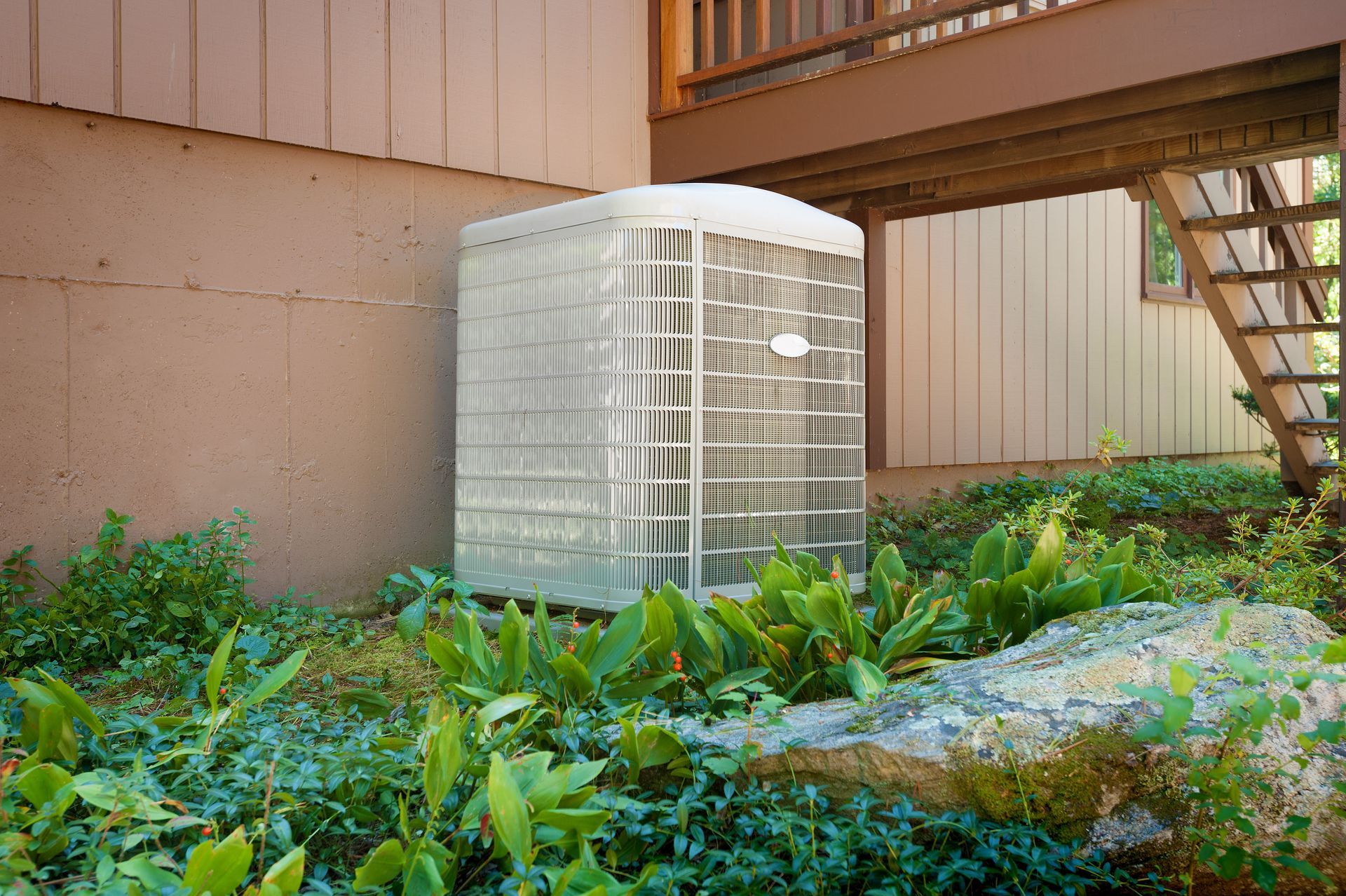
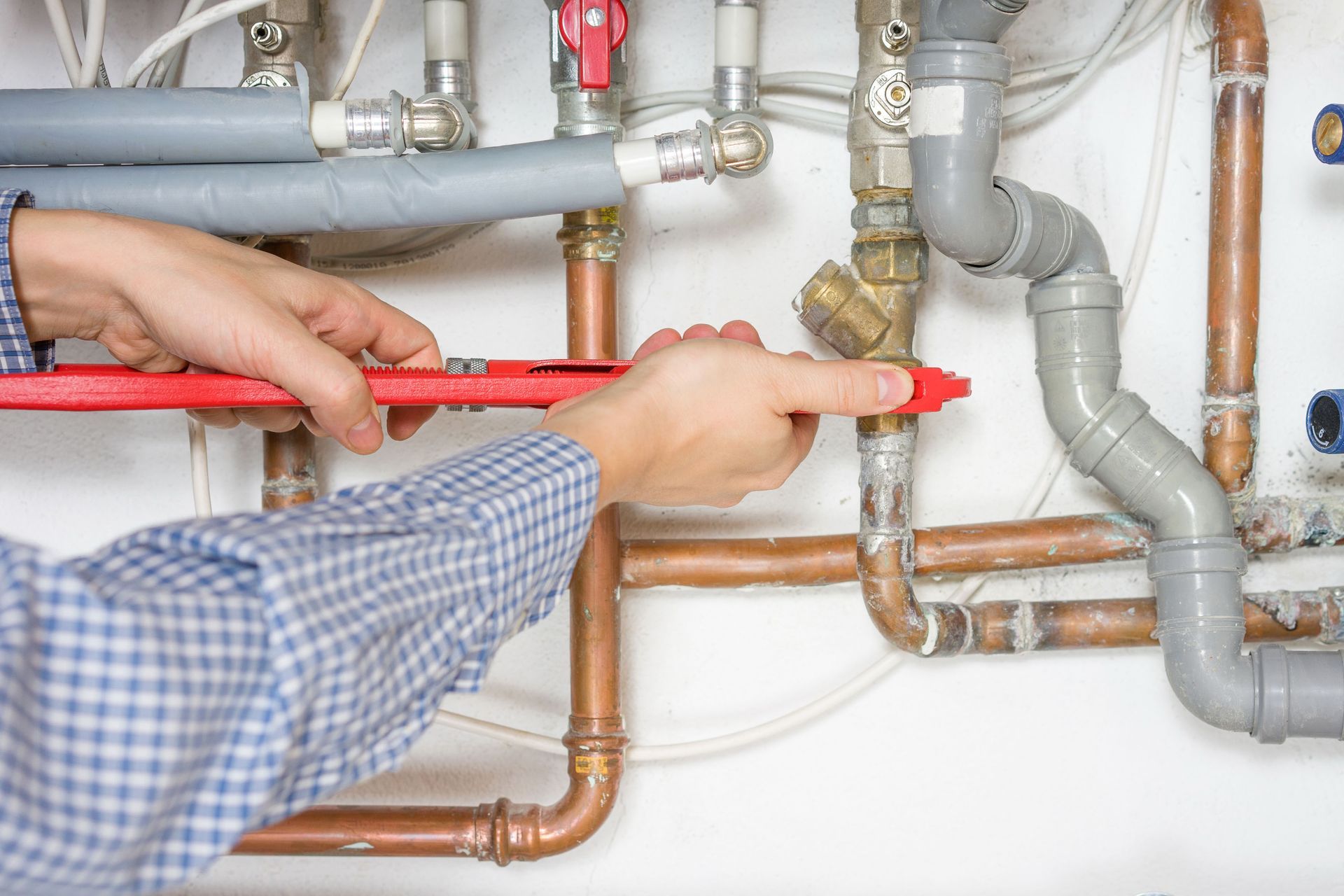
Executing a codes-compliant mechanical installation demands a highly systematic, multi-stage process managed carefully by expert field technicians. The project begins with rigorous site preparation, where structural engineers reinforce concrete pad foundations or install heavy-duty roof curbs designed to isolate equipment vibrations from the building frame. Once the physical units are safely positioned, technicians construct brazed copper refrigerant linesets using continuous oxygen-free nitrogen purges to completely prevent internal oxidation scale.
3. Regulatory Standards, Quality Control, and System Longevity
Strict compliance with federal environmental laws, regional zoning regulations, and municipal mechanical codes is a non-negotiable mandate for professional air conditioning contractors. Technicians hold mandatory EPA Section 608 certifications to handle, reclaim, and document regulated chemical refrigerants safely, entirely preventing hazardous atmospheric releases. Furthermore, teams install integrated safety interlocks, high-voltage surge protectors, and dedicated condensate overflow float switches to protect properties from electrical fires or severe indoor water damage. Adhering to these strict safety protocols builds a reliable layer of risk management that protects property equity, satisfies commercial insurance mandates, and keeps the building fully compliant with evolving public health guidelines.
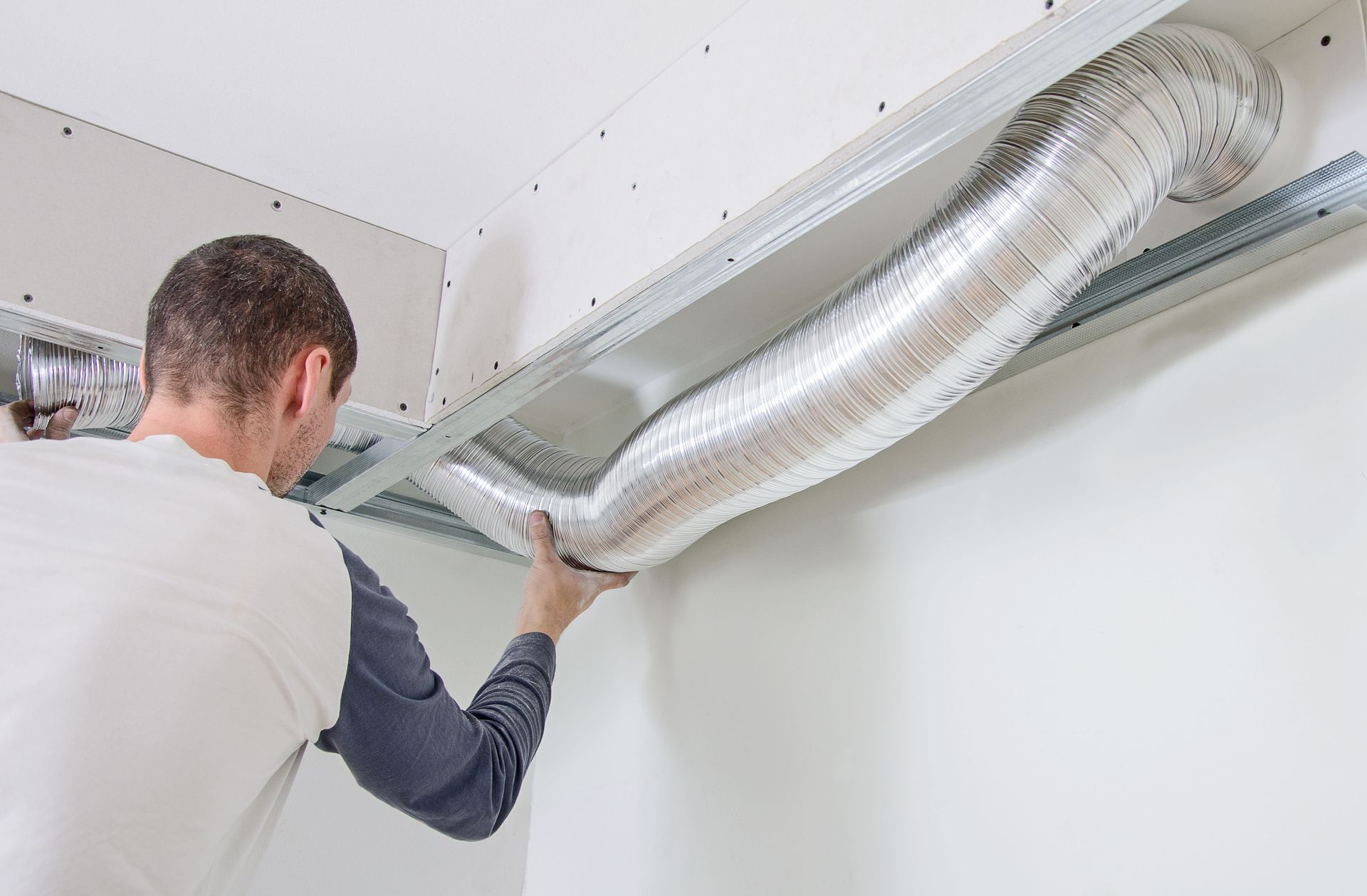
Field teams frequently encounter complex architectural obstacles during installation, demanding creative problem-solving and custom engineering adjustments. When retrofitting century-old historic properties or tight urban lofts that lack space for traditional sheet-metal ductwork running behind walls, contractors utilize advanced, space-saving options like flexible high-velocity mini-duct networks or low-profile ceiling cassettes. They skillfully design custom plenum boxes and utilize laser-guided tools to navigate narrow structural paths without altering historical framing. This engineering adaptability allows contractors to deliver high-performance climate control inside unconventional structures while fully maintaining the architectural integrity and aesthetic vision of the project.
The final phase of any successful equipment installation involves a rigorous, multi-point quality assurance testing protocol to verify peak real-world performance. Technicians utilize calibrated digital hot-wire anemometers and capture hoods to measure exact cubic feet per minute airflow across all supply registers, balancing the static pressure within the ductwork perfectly. They perform dynamic thermal imaging sweeps to track real-time air temperature drops across the evaporator coil, confirming the system achieves its optimal heat-exchange profile. Finally, air conditioning contractors generate a detailed operational logbook and digital handover file for the property owner, mapping out exact equipment settings, warranty terms, and recommended maintenance schedules, ensuring long-term operational success.
Prioritizing a comprehensive installation and service strategy is a fundamental step toward building long-term climate protection and robust systemic energy management. These deep structural diagnostics provide invaluable opportunities to identify mechanical complications, fluid restrictions, high thermal loads, and electrical configuration shifts long before they affect your daily quality of life. By committing to an age-appropriate system engineering schedule, individuals can easily insulate their visual and indoor performance from irreversible structural degradation, ensuring long-term structural efficiency and lasting asset preservation.
When the performance and safety of your commercial facility or family home climate system are on the line, relying on uncertified, unbonded neighborhood handymen can result in ruined compressor valves, poor indoor moisture management, and voided manufacturer warranties. True structural mechanical excellence demands factory-trained technicians, advanced digital testing diagnostics, and multi-million dollar commercial liability insurance protections. To ensure your specialized climate assets are designed, installed, and maintained according to the absolute highest industry performance standards, entrust your upcoming property development to the premier expertise of Allstar Heating & Cooling LLC.
Share On: